Garden Maintenance in Clerkenwell: Keeping Urban Outdoor Spaces Healthy, Beautiful, and Easy to Enjoy
Garden maintenance in Clerkenwell is about more than keeping plants alive. In a busy inner-London setting, it is the practice of shaping small outdoor spaces so they stay attractive, practical, and resilient throughout the year. Whether you have a courtyard, a townhouse garden, a roof terrace, or a shared communal planting area, the right approach to garden maintenance in Clerkenwell can make a major difference to how the space looks and feels.
Clerkenwell has a distinctive character: elegant period buildings, narrow streets, private courtyards, and a mix of modern developments and older properties. This means gardens here often face unique conditions, including shade from surrounding buildings, wind exposure, limited soil depth, and compact layouts. Because of that, Clerkenwell garden maintenance needs to be thoughtful, regular, and tailored to the space rather than based on a one-size-fits-all method.
For residents, landlords, property managers, and businesses, garden maintenance in Clerkenwell is also about presentation. A well-kept outdoor area adds value, improves wellbeing, and creates a welcoming first impression. In a location where space is precious, every planted corner, trimmed hedge, and healthy container can contribute to a stronger overall environment.
Why Garden Maintenance in Clerkenwell Matters
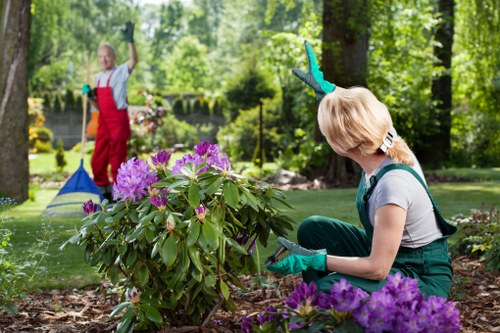
Urban gardens need consistent care because they are more exposed to stress than many suburban plots. Soil can dry out faster, plants may compete for limited nutrients, and structures such as walls, fences, and paving can create pockets of heat or shade. Regular garden maintenance in Clerkenwell helps prevent small issues from becoming costly problems.
Another reason maintenance matters is aesthetics. In a dense neighbourhood like Clerkenwell, gardens are often visible from upper windows, shared entrances, and neighbouring properties. A tidy, balanced garden supports the architectural style of the area and contributes to a more polished streetscape. This is especially important for hospitality venues, offices, and communal residential spaces where appearance matters every day.
There is also a practical side to it. Healthy planting can improve biodiversity, support pollinators, reduce runoff, and soften hard landscaping. With the right care, even a modest outdoor space can become a productive and calming feature. Garden maintenance in Clerkenwell is therefore both a visual investment and an environmental one.
Common Challenges in Clerkenwell Gardens
Every area has its own gardening challenges, and Clerkenwell is no exception. One common issue is limited sunlight. Tall buildings, narrow plots, and enclosed courtyards often create deep shade, which means plant choice must be carefully considered. Maintenance in these settings may involve managing moss, ensuring adequate drainage, and selecting plants that tolerate lower light levels.
Wind is another concern, particularly on balconies and roof terraces. Strong gusts can damage taller plants, dry out containers quickly, and loosen trellises or climbers. Effective Clerkenwell garden maintenance often includes staking, securing planters, and monitoring structural support so plants remain safe and stable.
Pollution and dust can also affect plant health in central London. Leaves may need regular cleaning, container soil may need refreshing more often, and irrigation systems can require checks to ensure they are working correctly. Because of these factors, garden maintenance in Clerkenwell is most successful when it is proactive rather than reactive.
Seasonal Garden Maintenance in Clerkenwell
Seasonal care is at the heart of a healthy garden. The needs of a space change throughout the year, and a good maintenance routine should adapt accordingly. In spring, the focus is often on clearing winter debris, pruning back dead growth, feeding the soil, and preparing beds and containers for new planting. This is the time when garden maintenance in Clerkenwell can set the tone for the months ahead.
Summer typically brings more watering, deadheading, and monitoring for pests. Containers and raised beds in Clerkenwell can dry out quickly, especially if they are on terraces or in sunny pockets. During hot spells, careful irrigation becomes essential, and mulching can help retain moisture. A polished garden in summer often depends on these small but consistent actions.
Autumn is ideal for tidying, leaf clearance, dividing perennials, and planting bulbs for the following year. Winter maintenance is more about protection and structure: checking drainage, pruning where appropriate, and making sure plants are not damaged by frost or heavy rain. Clerkenwell garden maintenance performed across the seasons keeps the garden looking intentional, not neglected.
Core Services Included in Garden Maintenance in Clerkenwell
Different gardens require different levels of care, but most maintenance plans include a shared set of essential tasks. These are the building blocks of a healthy outdoor space, and they help maintain both visual appeal and plant health. For many local properties, the best results come from combining regular upkeep with occasional specialist work.
Typical services may include:
- Lawn care, including mowing, edging, aeration, and feeding where lawns are present.
- Pruning and trimming of shrubs, hedges, climbers, and small trees.
- Weeding to prevent unwanted growth from taking over beds, borders, and paving joints.
- Planting and replanting to refresh seasonal displays or replace tired plants.
- Soil improvement using compost, mulch, or appropriate feed.
- Irrigation checks and hand-watering support for containers and beds.
- Leaf clearance and waste removal to keep the space tidy and safe.
- Pest and disease monitoring to catch issues early.
When delivered consistently, these services create a strong foundation for garden maintenance in Clerkenwell. They also reduce the risk of overgrowth, plant decline, and seasonal disappointment.
Plant Selection for Clerkenwell Gardens
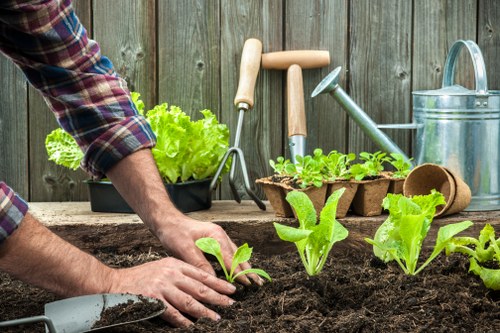
Plant choice is one of the biggest factors in successful maintenance. In Clerkenwell, the right plants should suit the available light, the size of the space, and the degree of exposure. A well-planned planting scheme reduces maintenance effort while improving year-round interest.
For shady courtyards, plants such as ferns, hostas, hellebores, euonymus, and ivy can provide texture and structure. In brighter spaces, lavender, salvia, ornamental grasses, sedums, and compact shrubs may thrive. Container gardens can use seasonal colour, evergreen structure, and trailing plants to create depth even where there is no traditional border.
Garden maintenance in Clerkenwell often works best when planting is layered. That means combining evergreen form, flowering highlights, and ground-level detail so the garden looks attractive throughout the year. This layered approach also supports biodiversity and keeps the space interesting in every season.
Maintenance Tips for Small Urban Spaces
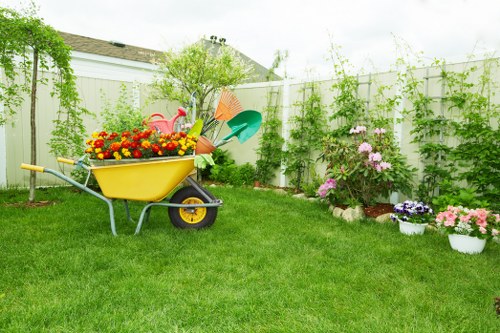
Smaller gardens need disciplined care because clutter and neglect become visible quickly. The good news is that compact spaces can be easier to manage when organised properly. A few well-chosen plants and a regular schedule often outperform a crowded, high-maintenance design.
Useful tips for smaller Clerkenwell gardens include:
- Use containers strategically to create flexibility and visual movement.
- Choose compact or slow-growing plants to reduce excessive pruning.
- Mulch beds and pots to conserve moisture and suppress weeds.
- Keep pathways and corners clear so the space remains functional.
- Inspect the garden weekly for drying soil, pests, and broken stems.
These simple habits can transform Clerkenwell garden maintenance from a difficult task into a manageable routine. Small outdoor areas thrive when they are cared for regularly and not left for long periods without attention.
Lawn Care in Garden Maintenance in Clerkenwell
Where lawns exist, they often need more attention than people expect. Urban lawns may be smaller, shaded, or used as part of mixed-use planting areas. Even so, they benefit from regular mowing, feeding, scarifying where appropriate, and seasonal repairs.
In limited-light gardens, lawns can become patchy if they are cut too short or overused. A better approach is to keep the grass slightly longer, especially during dry periods, so it can retain moisture and maintain strength. Overseeding thin areas and improving soil structure can also help build a more resilient lawn. In many cases, garden maintenance in Clerkenwell includes adapting lawn care to the realities of the site rather than following a generic schedule.
If a lawn is difficult to sustain, it may be worth exploring alternatives such as ground cover, gravel planting, paved features with containers, or mixed borders. A practical design often reduces maintenance while improving the garden’s overall appearance.
Pruning, Cutting Back, and Shape Control
Pruning is one of the most valuable tasks in garden care because it directly affects plant health, shape, and flowering. Correct pruning helps air circulation, encourages new growth, and stops shrubs or climbers from overwhelming nearby areas. In a compact Clerkenwell setting, this can be especially important.
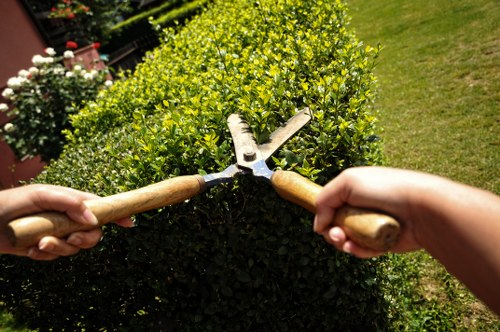
For hedges and formal planting, precise trimming keeps the garden neat and structured. For flowering shrubs, timing matters because pruning at the wrong point in the year can reduce blooms. Climbers may need tying in, thinning, or redirecting to prevent overcrowding. Effective Clerkenwell garden maintenance includes knowing when to cut back, how much to remove, and which plants should be left alone until the right season.
Professional pruning can also protect hard landscaping. Overgrown branches can scratch walls, block light, or interfere with gutters and drains. Regular cutting back therefore supports both the planting and the wider property.
Weeding and Soil Health
Weeds are a constant challenge in any urban garden, especially where paving and borders meet. They compete for water and nutrients, and they can quickly make a neat garden look neglected. Consistent weeding is one of the simplest yet most effective forms of garden maintenance in Clerkenwell.
However, weed control should not be seen in isolation. Healthy soil makes it harder for invasive growth to dominate. Adding organic matter, applying mulch, and avoiding unnecessary soil disturbance can all improve conditions for desired plants. The goal is not just to remove weeds but to create an environment where they are less likely to return.
In raised beds and containers, soil health is especially important because nutrients can be depleted quickly. Replacing or replenishing compost, checking drainage, and feeding appropriately can keep planting vigorous. A strong soil routine is one of the most reliable ways to support long-term Clerkenwell garden maintenance.
Container and Terrace Garden Maintenance
Container gardening is common in Clerkenwell, particularly on rooftops, terraces, balconies, and paved courtyards. Containers allow flexibility and style, but they also require careful attention. Pots dry out quickly, roots can become cramped, and nutrients can wash away through watering.
Maintenance for container gardens usually includes checking moisture levels, replacing spent compost, rotating pots where needed, and choosing containers with good drainage. Wind protection may also be necessary, especially for taller plants or lightweight pots. Because these spaces are often highly visible, garden maintenance in Clerkenwell should keep them clean, balanced, and visually cohesive.
Container schemes also benefit from seasonal refreshes. Swapping annuals, adding evergreen structure, and introducing climbers or trailing plants can maintain interest without requiring a complete redesign each year.
Communal and Commercial Garden Maintenance
Many Clerkenwell properties include shared outdoor spaces that need a consistent and respectful maintenance plan. Communal gardens, office courtyards, and hospitality terraces all have different usage patterns, but they share the same need for reliability and presentation.
In communal settings, maintenance must be organised to avoid disruption. Tasks often need to be completed efficiently, safely, and with attention to access and cleanliness. For commercial sites, the garden is part of the brand image. A tidy, healthy outdoor area can influence how a business is perceived by visitors, tenants, or customers.
Garden maintenance in Clerkenwell for shared or commercial spaces often includes scheduled visits, clear communication, and a flexible approach to seasonal demands. The aim is to keep the area attractive without causing inconvenience.
Eco-Friendly Approaches to Garden Maintenance in Clerkenwell
Environmentally aware gardening is increasingly important in London. Many property owners now prefer maintenance methods that support biodiversity and reduce waste. This can include composting green waste, choosing pollinator-friendly planting, limiting chemical use, and watering more efficiently.
Eco-friendly garden maintenance also involves planting for wildlife. Even small gardens can support bees, butterflies, birds, and beneficial insects through nectar-rich flowers, berries, and sheltering shrubs. In a built-up area like Clerkenwell, every green space contributes to the wider ecological network.
Using mulch, improving soil naturally, and selecting resilient plants are practical ways to reduce resource use while improving performance. Clerkenwell garden maintenance that considers the environment is not only responsible but often more cost-effective in the long term.
How Regular Maintenance Adds Value
Regular care improves a garden in multiple ways. It protects the investment already made in planting, hard landscaping, and design. It also extends the life of features like raised beds, planters, trellises, and irrigation systems. More importantly, it ensures that the garden remains usable and enjoyable.
For homeowners, a well-maintained garden can improve daily living and support property value. For landlords and managers, it can help create a positive impression for tenants and visitors. For businesses, it can elevate the whole environment and support a professional image. In each case, garden maintenance in Clerkenwell acts as a form of stewardship that keeps the space working as intended.
There is also a psychological benefit. Green, orderly spaces are often associated with calm, balance, and freshness. In a dense urban district, a tidy garden can become a welcome retreat from the pace of city life.
Choosing the Right Maintenance Approach
Not every garden needs the same level of intervention. Some spaces need weekly attention, while others may only require periodic visits and seasonal work. The best approach depends on the size of the garden, its planting style, how often it is used, and what condition it is currently in.
A low-maintenance design may suit a busy household or commercial property. A more ornamental garden may need regular pruning, feeding, and replanting. The key is to match the maintenance routine to the space rather than trying to force the space into a fixed routine. That is the most effective way to manage garden maintenance in Clerkenwell without wasting time or resources.
When planning a maintenance schedule, it helps to think in terms of priorities:
- Safety — remove hazards, clear slippery surfaces, and keep access routes open.
- Plant health — water, feed, prune, and monitor growth.
- Appearance — keep edges sharp, beds clean, and displays balanced.
- Longevity — protect structures and improve soil over time.
With these priorities in place, Clerkenwell garden maintenance becomes far more effective and much easier to manage.
When to Seek Professional Help
Some garden tasks can be handled independently, but others benefit from professional knowledge and equipment. This is particularly true for larger pruning jobs, inaccessible roofs or terraces, complicated planting schemes, or spaces that require regular upkeep due to visibility or usage.
Professional support can be especially useful when a garden has become overgrown, the soil needs improvement, or the planting scheme is failing due to shade, drought, or poor drainage. Skilled maintenance can restore structure, improve health, and create a more manageable routine going forward. If you want your outdoor area to look its best with less stress, garden maintenance in Clerkenwell delivered by experienced hands can be a smart investment.
Contact us today if you are ready to improve the appearance and health of your outdoor space. Book your service now to keep your Clerkenwell garden looking neat, vibrant, and well cared for throughout the year.
Final Thoughts on Garden Maintenance in Clerkenwell
Garden maintenance in Clerkenwell is shaped by the realities of urban living, but it also offers real creative opportunity. Compact courtyards, terraces, and shared gardens can become calm, elegant, and practical spaces when they are maintained with care. The right combination of pruning, planting, watering, weeding, and seasonal attention will help the garden remain attractive without becoming difficult to manage.
In a neighbourhood known for style, heritage, and close-knit urban spaces, thoughtful Clerkenwell garden maintenance helps outdoor areas feel like an extension of the property rather than an afterthought. Whether your garden is small or substantial, shaded or sunlit, private or communal, regular maintenance can preserve its value and strengthen its appeal. With the right plan in place, garden maintenance in Clerkenwell becomes a simple way to enjoy a better outdoor environment all year round.