What to know about access problems for Clerkenwell gardeners
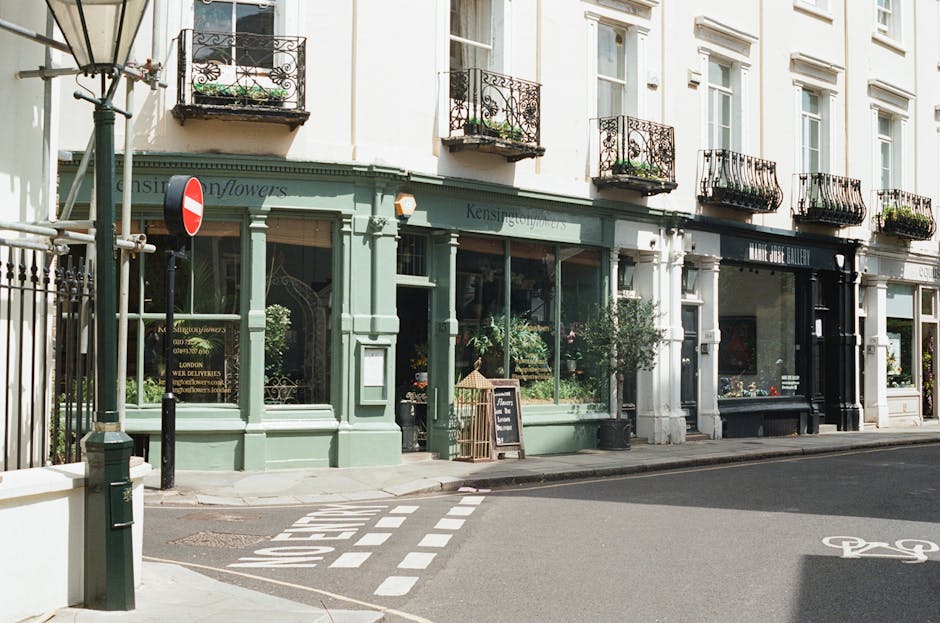
Access is often the hidden issue behind a garden job that looks straightforward on paper but becomes awkward in real life. In Clerkenwell, that can mean narrow side passages, basement steps, awkward communal gates, locked courtyards, limited parking, or a garden tucked behind a building with no easy route for tools and waste. If you are trying to understand what to know about access problems for Clerkenwell gardeners, the short version is this: good access planning saves time, reduces disruption, and helps the work get done properly the first time.
That matters whether you need a quick tidy-up, regular upkeep, or a bigger project like landscaping, tree work, fencing, or patio cleaning. Access can affect everything from how long the job takes to what equipment can be brought in. It can even shape which tasks are practical on the day. The good news? Most access issues are manageable once they are spotted early. A clear plan, a few sensible measurements, and a bit of local know-how go a long way.
Below, you will find a practical guide to the common access issues Clerkenwell gardeners face, how they affect different services, what to prepare before a visit, and how to avoid the classic last-minute headaches. Nothing fancy. Just the stuff that actually helps.
Why access matters in Clerkenwell gardens
Clerkenwell gardens are often beautiful, compact, and not especially forgiving. That is part of the charm, to be fair, but it also means access can make or break a job. If a gardener cannot get a mower, barrow, hedge cutter, or waste bags into the work area without a long detour, the job naturally slows down. If there is nowhere sensible to stage materials, the whole site can feel cramped before work even begins.
Access matters for a few practical reasons:
- Time: moving equipment through tight routes takes longer than walking straight in.
- Safety: awkward steps, slippery paving, and narrow passages increase the chance of trips or damage.
- Finish quality: when access is poor, the team may need to use smaller tools or break work into stages.
- Cost control: delays, repeat visits, or extra labour can push a quote up.
- Neighbour relations: in shared buildings or terraces, a messy bottleneck can annoy the people next door very quickly.
There is also a planning angle. A straightforward lawn cut may be fine with one narrow path, but a bigger job like local landscaping support or ongoing garden maintenance may need repeated trips in and out. If the route is awkward, the work plan should reflect that from the start. Otherwise you end up with the classic London problem: everything looked easy until someone tried to carry a sack of soil up three flights of stairs.
In practice, access issues are rarely dramatic. They are just fiddly. And fiddly is enough.
How access problems affect garden work
Access problems affect a gardener's work in a few different ways. Some are obvious, such as not being able to bring in larger machinery. Others are less visible at first, like extra setup time, reduced working space, or difficulty removing waste at the end of the job. The effect depends on the task, the property layout, and whether the garden is private, communal, or partly shared with neighbours.
A small front garden with decent gate access is a very different proposition from a rear courtyard reached through a hallway, a basement stairwell, and a locked communal door. Even when the actual garden is small, the route to it may be the real challenge.
Here are the main ways access can shape the job:
- Equipment choice changes. For example, a compact mower may be used where a larger machine simply will not fit.
- Work is broken into stages. Materials might be carried in first, then tools, then waste collected later.
- More manual handling is needed. That usually means more time and more care around walls, paving, and doors.
- Scheduling becomes more important. If access is shared, gardeners may need to work around resident use, deliveries, or building management rules.
- Some tasks need extra protection. Large branches, wet turf, compost bags, or stone edging can be awkward in tight spots and need a sensible route.
A good example is hedge work. Trimming a hedge is one thing; getting the cuttings out without leaving a trail through a shared hallway is another. That is why services like hedge trimming in Clerkenwell are usually easier to organise when the access route is checked in advance. The same goes for heavier jobs, such as tree surgery or fencing work, where materials and waste are often bulkier than people expect.
Truth be told, access is not just about getting in. It is about getting the job done without turning a neat garden into a logistics puzzle.
Key benefits and practical advantages
Good access planning pays off in ways that are easy to overlook until something goes wrong. A well-prepared site is calmer, quicker, and usually better finished. That is not marketing fluff; it is just how working in tight urban spaces tends to go.
Some of the most useful benefits include:
- Smoother arrival and setup: the gardener can start sooner if the route, gates, and key points are already sorted.
- Less damage risk: clear paths and protected surfaces help prevent scratches, scuffs, and broken edging.
- Better job planning: the team can bring the right tools, rather than guessing and hoping for the best.
- Faster waste removal: pruning, cut grass, and old materials are easier to clear away if there is a sensible exit route.
- More accurate pricing: when access is known upfront, quotes tend to be more realistic and less likely to change later.
There is another advantage people do not always think about: access planning can improve the overall design of the garden. For instance, if a route is consistently awkward, a gardener may recommend softer planting, lighter materials, or a layout that makes future upkeep easier. A simple choice now can save you a headache later. That is especially true for gardens that need frequent attention, such as those supported by lawn mowing or lawn care.
And yes, in a place like Clerkenwell, every extra minute matters. Not because anyone is rushing for the sake of it, but because city gardens often demand a bit more choreography than suburban ones. A little planning gives everyone breathing room.
Who this is for and when it makes sense
Access planning is not only for complex projects. It helps almost anyone with a garden in Clerkenwell, but it is especially useful if your property has one or more of the following:
- narrow side access or a slender passage to the rear garden
- stepped access, basement access, or changes in level
- shared entrances, communal hallways, or building-managed access
- limited parking close to the property
- oversized items already in the garden, such as planters, seating, or stored materials
- delicate surfaces like decking, paving, or newly installed fencing
This topic matters most when the work is more than a quick tidy-up. If you are arranging patio cleaning, for example, the route for hoses, pressure equipment, and waste water needs thought. If you are planning a larger refresh, landscaping services or full gardening services may involve plants, soil, timber, or stone deliveries. That is where poor access can suddenly become the headline issue.
It also makes sense to think ahead if you have pets, children, or elderly residents using the same routes. A gate left open, tools left on a narrow landing, or mud tracked through a shared passage is a small thing, until it is not. We have all seen that kind of thing turn a calm day into a mildly annoying one.
So, when does it make sense to raise access concerns? Ideally right at the enquiry stage. The earlier the better, honestly.
Step-by-step guidance for preparing access
If you want the day to run smoothly, the best approach is simple: walk the route yourself and think like the person carrying tools. Not glamorous, but effective.
- Map the route from street to garden. Include gates, doors, hallways, stairs, and turns. If you need to twist sideways to get through, note it.
- Measure the narrowest points. Gates, doorways, and side passages are often the bottleneck. A few centimetres can matter more than people expect.
- Check for obstacles. Bikes, bins, pruning storage, furniture, or temporary building materials can block movement before the work starts.
- Think about surfaces. Wet steps, loose gravel, soft soil, and polished stone all affect how safely equipment can be moved.
- Confirm parking and unloading options. Even if parking is nearby, stopping briefly to unload may still need planning.
- Tell the gardener about keys, codes, and timing windows. If a concierge, resident, or neighbour must be contacted, say so in advance.
- Identify what can stay and what should move. The less clutter in the way, the easier it is to work cleanly.
- Agree on waste removal. Ask how green waste, old timber, or broken materials will be carried out. This matters more than people think.
A small real-world tip: take a couple of photos from the entrance to the garden and from the garden back to the exit. You do not need a masterpiece. Just enough to show the path clearly. That can save a lot of back-and-forth later.
If the access route is especially tight, it may help to speak about the job in terms of stages. For example, the gardener may arrive first to inspect, then return with the right equipment, then clear waste after the main work. That sort of sequencing is normal in dense parts of London. It is not a drama. It is just sensible working practice.
And if a site is difficult but manageable, good communication is often the difference between a smooth visit and a frustrating one. Really, that is the whole game.
Expert tips for better results
Over time, the best results usually come from the simplest habits. A few extra minutes of preparation can spare a lot of awkward lifting and muttered apologies. Here are the things that tend to make the biggest difference.
- Leave the route clear before the team arrives. Pull bins back, move bikes, and unlock anything that might delay entry.
- Protect sensitive edges. Freshly painted doors, new decking, and clean paving can be vulnerable if bulky items are squeezed past them.
- Be honest about the awkward bits. If the route is inconvenient, say so plainly. Nobody benefits from surprise steps or hidden locks.
- Use lighter staging where possible. Smaller, more frequent loads can be better than trying to move everything at once.
- Think seasonally. In wet weather, mud and slippery paving can turn a marginal route into a difficult one. Winter access is a different beast altogether.
- Plan around neighbours. Shared spaces work best when noise, mess, and timing are considered upfront.
A useful mindset is to reduce friction wherever you can. If a job involves repeated visits, ask whether materials can be delivered on a day with easier access, or whether the work can be grouped into one cleaner window. If you are already looking at regular maintenance, this kind of planning usually pays off.
One more thing. If you are unsure whether a hedge, path, or boundary will be in the way, mention it anyway. Better a slightly over-prepared visit than a crew that turns up and discovers a locked gate at the exact wrong moment. Happens more often than people like to admit.
Common mistakes to avoid
Most access problems are not caused by bad intentions. They are caused by assumptions. Someone thinks the gate is fine. Someone else thinks the equipment is smaller than it is. Then everybody stands there for a minute looking at each other. Slightly awkward, very avoidable.
Here are the most common mistakes:
- Underestimating narrow routes. What feels fine for a person may not be fine for wheelbarrows, ladders, or bags of materials.
- Forgetting shared access rules. Communal entrances, lift restrictions, and building quiet hours can affect the schedule.
- Leaving clutter in place. Stacked pots, furniture, and storage boxes can turn a clear route into a bottleneck.
- Not mentioning height restrictions. Overhanging cables, low archways, and awkward turns can matter as much as width.
- Assuming waste removal is simple. Getting material out is often harder than getting it in.
- Waiting until the day of the job to explain the access issue. By then, it is usually too late to rearrange equipment or timing neatly.
Another common mistake is treating access as an afterthought only for bigger jobs. In reality, even simple jobs like mowing or pruning can be delayed if tools have to be carried through a maze of doors and steps. Not ideal, obviously.
If your garden includes structural features such as timber screens, gates, or raised edges, it may be worth thinking about access in tandem with improvements like decking services or fencing work. Those elements can either help movement or make it harder, depending on how they are laid out.
Tools, resources and recommendations
You do not need specialist kit to sort out access problems, but a few practical tools help. The aim is to make the route predictable before anyone starts carrying things through it.
| Tool or resource | What it helps with | Why it is useful |
|---|---|---|
| Measuring tape | Gate, path, and doorway widths | Removes guesswork |
| Phone camera | Photos of entrances, steps, and obstacles | Helps explain the site clearly |
| Bin or storage caddy | Temporary clearing of small clutter | Makes the route safer and cleaner |
| Weather check on the day | Wet paving, mud, and slippery steps | Helps avoid last-minute surprises |
| Access notes for the gardener | Gates, keys, codes, and timings | Reduces delays and repeated calls |
When in doubt, go back to the basics: measure, photograph, and explain. That trio solves a surprising number of problems.
For broader outdoor improvements, it can also help to consider how access interacts with the overall garden layout. If you are already thinking about redesigning a small space, low-maintenance garden ideas, container gardening, or garden seating can sometimes make sense in a tight site because they reduce the amount of awkward moving around later.
And if you want to talk through a tricky setup rather than guess, it is usually best to contact the team directly. The simplest next step is often the right one.
Law, compliance, standards, and best practice
Access problems are usually a practical matter, but they can intersect with wider responsibilities around safety, shared spaces, and neighbour consideration. In the UK, that means working carefully, communicating clearly, and avoiding unnecessary risk. Nothing exotic there, just solid working practice.
A few best-practice points are worth keeping in mind:
- Keep walkways safe. Trips, loose tools, or hidden obstacles are a real issue in narrow urban access routes.
- Respect shared spaces. Communal hallways, entries, and courtyards often need extra care and tidiness.
- Handle waste responsibly. Green waste, timber, soil, and old fixtures should be removed in an organised way.
- Use suitable methods for the site. Not every job needs the biggest tool; in tight spaces, smaller and more controlled methods may be better.
- Communicate any restrictions. Building rules, access codes, quiet windows, and parking limits should be discussed before work begins.
If a job includes anything potentially hazardous, such as tree work, heavy lifting, or awkward boundary repairs, it is sensible to treat access as part of the safety plan rather than just a convenience issue. That is especially true on properties where work must pass through a shared entrance or public-facing area.
In plain English: if the route is tight, treat it with respect. A careful setup is part of professional work, not an optional extra.
Options, methods, and comparison table
There is no single way to manage access issues. The best approach depends on the site, the job, and how often the team needs to return. Here is a useful comparison.
| Approach | Best for | Strengths | Trade-offs |
|---|---|---|---|
| One-off detailed site check | Occasional jobs or complex layouts | Clear planning, fewer surprises | Needs a bit of time upfront |
| Photo-based planning | Simple to moderate access issues | Fast, convenient, easy to share | Can miss small physical obstacles |
| Measured route planning | Narrow gates, stairs, bulky materials | Good for awkward equipment and waste removal | Requires accurate measurements |
| Staged work visits | Large projects or limited access windows | Flexible, reduces congestion | Can take longer overall |
| Design adjustments | Ongoing issues in compact gardens | Improves long-term usability | May require rethinking the layout |
For many Clerkenwell properties, a mix of methods works best. A few photos, a basic measurement, and a sensible schedule will usually get you most of the way there. If access is genuinely difficult, a measured route plan plus a staged approach often makes life much easier.
Case study: a real-world access challenge
A typical Clerkenwell scenario might look like this: a rear courtyard garden behind a period property, accessed through a narrow shared hallway and a side gate that opens inward. The garden itself is small, tidy, and long overdue for attention. On paper, it sounds fine. In practice, the access route is the real problem.
The first step is usually to identify the pinch points. In this kind of setup, the likely issues are:
- a gate that opens too tightly against the wall
- steps that make carrying soil or tools awkward
- a hallway that needs protection from mud and debris
- limited space to store materials once on site
- waste that must be moved back through the same route
Now, what tends to work? The gardener might bring in smaller tools, protect floor surfaces, and arrange the work so the messiest tasks happen when the route is least busy. If hedge cutting is involved, the cuttings are bagged steadily rather than left to pile up. If the job includes planting or renovation, lightweight materials may be used first, with heavier items only where the access route can cope.
Nothing glamorous. Just a calm, orderly way of doing things.
That is also why a site with access issues may benefit from more general support rather than one isolated task. For example, combining maintenance with planting, or pairing tidy-up work with a garden makeover plan, can reduce repeated movement through the same tight route. Fewer trips, fewer problems. Simple as that.
In our experience, homeowners are often relieved once the access issue is acknowledged out loud. The awkwardness disappears a bit. The job becomes a plan instead of a worry.
Practical checklist
Use this checklist before a garden visit if access might be tricky.
- Entrance route checked: gate, door, hallway, stairs, and rear access all reviewed
- Measurements taken: narrowest widths and key turns noted
- Obstacles removed: bikes, bins, furniture, pots, and boxes cleared away
- Keys or codes ready: entry instructions confirmed in advance
- Parking understood: unloading and short-stay options considered
- Weather considered: wet steps or slippery paving identified
- Neighbour impact reduced: shared areas kept tidy and disturbance minimised
- Waste route planned: green waste and bulky materials can get out safely
- Special items flagged: sheds, screens, fragile paving, or deck edges noted
- Job scope confirmed: any larger tasks that need extra access planning discussed early
If you can tick most of those items, you are in good shape. If not, just handle the missing bits before the appointment. Really, it is that practical.
Get a free quote today and see how much you can save.
Conclusion
Access problems for Clerkenwell gardeners are rarely dramatic, but they are often decisive. A narrow gate, a shared hallway, a awkward set of steps, or a no-parking street can all turn a simple job into one that needs more thought. The answer is not to panic. It is to plan.
When you know the route, the measurements, the timings, and the likely pinch points, everything gets easier. The gardener can bring the right tools, work more safely, and finish the job with fewer interruptions. You get a better result. The property stays tidier. Neighbours are less likely to grumble. That alone is worth the effort.
If there is one takeaway, it is this: treat access as part of the job, not a footnote. In a place like Clerkenwell, that little shift in thinking makes a bigger difference than you might expect.
And honestly, once the access is sorted, the rest usually feels a lot lighter.
Frequently Asked Questions
What are the most common access problems for Clerkenwell gardeners?
The most common issues are narrow gates, shared entrances, stairs, limited parking, and awkward routes to rear gardens or courtyards. In compact London properties, it is often the path to the garden that causes the real challenge.
Why should I tell a gardener about access problems before the visit?
Because access affects equipment, timing, safety, and waste removal. If the gardener knows in advance, they can prepare properly instead of discovering a problem on arrival.
Can a garden still be maintained if access is very tight?
Usually yes, but the work may need to be adapted. Smaller tools, manual handling, staged visits, or different methods may be used. Very tight access does not always stop the job, but it may change how it is done.
Does poor access make garden work more expensive?
It can. Extra time, manual carrying, repeated trips, or additional protection for surfaces may affect the overall effort required. A clear access description helps produce a more realistic quote.
What should I measure before booking garden work?
Measure the narrowest points along the route, especially gates, doors, side passages, and turns. If there are steps or changes in level, note those too. A rough photo set is also very useful.
Should I clear the route before the gardeners arrive?
Yes, if you can. Moving bikes, bins, loose furniture, and other clutter makes the job safer and quicker. It also helps protect walls, doors, and paving from accidental scuffs.
How do access problems affect hedge trimming or tree work?
They can affect how equipment is brought in, how cuttings are removed, and whether larger tools can be used safely. For heavier work like hedge trimming or tree surgery, access is especially important.
What if the garden is reached through a shared hallway?
Shared hallways need extra care. It is best to agree access times, entry instructions, and how floors or walls will be protected. Keeping the route clean and tidy is part of good practice.
Is it worth rethinking the garden layout because of access?
Sometimes yes. If access is a recurring problem, small design changes such as lighter materials, simpler planting, or better storage can make future maintenance much easier. It is a long-term win, really.
What type of garden jobs are most sensitive to access issues?
Jobs involving bulk materials or repeated movement tend to be most sensitive. Landscaping, fencing, tree work, patio cleaning, and larger maintenance visits often need the most access planning.
How can I make a tricky access route clearer to explain?
Take a few photos, make a simple note of gates and steps, and describe anything that might slow movement. If there is a locking system, a key handover, or a time window, mention that too.
Where should I start if I am unsure about access at my property?
Start by walking the route from the street to the garden and back again. Then note anything tight, slippery, locked, or cluttered. If you are still unsure, speak to the gardening team before booking so the plan can be adjusted properly.