St John Street courtyard gardeners for Clerkenwell flats
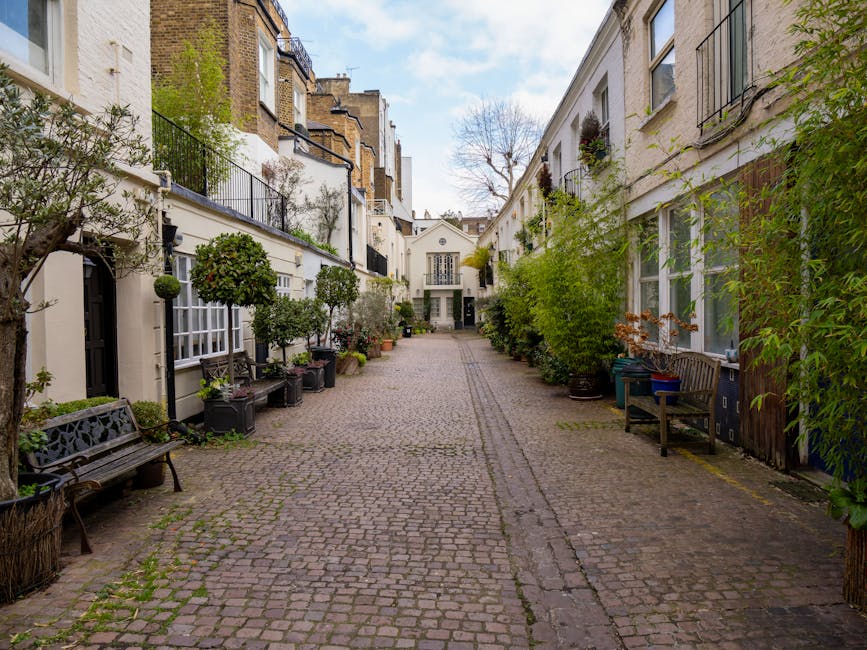
If you live in a Clerkenwell flat, you already know the appeal of a courtyard: a little pocket of calm tucked between brickwork, railings, paving, and a couple of well-chosen plants. The trouble is, these spaces can slip from charming to cramped very quickly. That is where St John Street courtyard gardeners for Clerkenwell flats come in. They understand tight access, shared spaces, awkward shade, and the fact that a courtyard has to look good from your window as well as feel usable at ground level.
This guide explains how courtyard gardening works in St John Street and the wider EC1 area, what makes it different from standard garden care, and how to choose the right approach for a flat terrace, shared yard, or small planted enclosure. You will also find practical steps, common mistakes, and a few realistic ways to keep the space tidy without making it feel overworked. Truth be told, small city courtyards can be brilliant when they are planned properly.
Table of Contents
- Why St John Street courtyard gardeners for Clerkenwell flats Matters
- How St John Street courtyard gardeners for Clerkenwell flats Works
- Key Benefits and Practical Advantages
- Who This Is For and When It Makes Sense
- Step-by-Step Guidance
- Expert Tips for Better Results
- Common Mistakes to Avoid
- Tools, Resources and Recommendations
- Law, Compliance, Standards, or Best Practice
- Options, Methods, or Comparison Table
- Case Study or Real-World Example
- Practical Checklist
- Conclusion
- Frequently Asked Questions
Why St John Street courtyard gardeners for Clerkenwell flats Matters
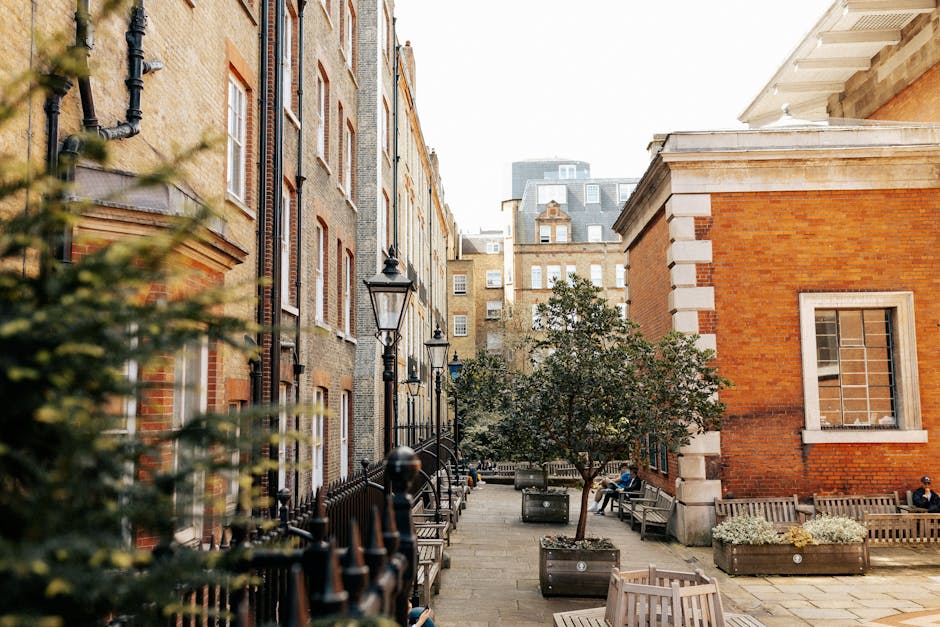
Courtyards around St John Street are not the same as open suburban gardens. They are often enclosed by tall buildings, exposed to reflected heat, partly shaded for much of the day, and used as access routes as much as outdoor rooms. That changes everything. Soil dries unevenly, containers can get waterlogged, and a plant that looks wonderful in June can look very sorry for itself by February if it is in the wrong spot.
For flat owners, tenants, and residents in shared buildings, the value of a good courtyard gardener is not just in making things prettier. It is in making the space workable. A carefully managed courtyard can soften hard paving, reduce clutter, improve privacy, and create a real sense of calm. You feel it on a quiet evening when the light drops and the plants start doing their job properly. Not dramatic. Just better.
There is also the practical side. City courtyards need regular attention because they are exposed to foot traffic, pollution, wind tunnels, and the odd rogue weed that seems to appear overnight. A maintenance plan that works in Clerkenwell often includes regular pruning, container refreshes, surface cleaning, seasonal planting, and a sensible eye on access and drainage. If the courtyard is underused, a local garden maintenance service in Clerkenwell can be the difference between a forgotten corner and a genuinely useful outdoor space.
How St John Street courtyard gardeners for Clerkenwell flats Works
Courtyard gardening usually starts with an assessment rather than a big makeover. That assessment looks at light, drainage, access, shared responsibility, surface condition, planting style, and how the space is actually used. In a flat courtyard, the right answer is rarely "more plants". It is often "the right plants in the right places, with easier upkeep than you expected".
A good process usually follows a simple pattern:
- Measure the space and identify constraints. Note narrow access points, overhead cover, drainage issues, and any communal rules.
- Map light and shade. Some courtyards get a surprising amount of reflected sunlight; others sit in shade almost all day.
- Decide the function first. Do you want privacy, colour, a place to sit, or a clean entrance that always looks tidy?
- Choose a planting style. Containers, climbers, raised beds, structural planting, or a mix.
- Put maintenance on a schedule. Small gardens fail when everything is done "later".
In practice, many courtyard gardens in EC1 benefit from a layered approach. A few evergreen shrubs for structure, some seasonal colour for interest, maybe a climber to bring height, and one or two neat hard-surface features to keep the area feeling grown-up rather than crowded. If the visual frame matters, local landscaping support in Clerkenwell can help shape the layout so the courtyard feels intentional instead of improvised.
For more detailed planting decisions, many residents also look at supporting services and guides such as container gardening ideas and vertical gardening inspiration, both of which suit compact urban courtyards well.
Key Benefits and Practical Advantages
People usually search for courtyard gardening because something is already not working: the space looks neglected, the plants die too quickly, or the area feels too exposed and difficult to use. The benefits of doing it properly are refreshingly practical.
- Better first impressions. Courtyards are often the first outdoor space visitors see.
- More usable space. Good layout gives you somewhere to sit, pass through, or simply enjoy the view.
- Less long-term maintenance. The right planting reduces constant rescue jobs.
- Improved privacy. Climbing plants, hedges, and screening can soften sightlines without making the space gloomy.
- Year-round structure. Evergreens stop the courtyard looking bare in winter.
- Healthier plants. Matching species to the courtyard's light and moisture pattern usually cuts down failure rates.
There is another advantage people underestimate: rhythm. A well-kept courtyard makes the whole flat feel calmer. You glance out during a work call or while making tea and, even if it is just a small burst of green, it changes the mood. That is not fluff, by the way. In a city built on hard edges, softness matters.
Where the space needs more than routine care, a broader gardening services package in Clerkenwell can combine planting, tidy-up work, and longer-term improvements. And if weeds are taking over paths or joints, a dedicated weed control approach can save a lot of frustration later.
Who This Is For and When It Makes Sense
This kind of service is a good fit for all sorts of people, not just homeowners with grand ideas and spare time. In Clerkenwell, it often suits busy professionals, landlords, property managers, and tenants in shared buildings who want the space to feel cared for without constantly thinking about it.
It makes sense if your courtyard:
- is shaded by surrounding buildings for much of the day
- has limited access for tools and materials
- needs discreet privacy from neighbouring windows
- contains containers that dry out quickly or drain badly
- has awkward paving, tired planting, or cluttered edges
- is meant to be low maintenance rather than showy
It also makes sense if you are not sure whether the space should be a mini garden, a seating area, or a visual backdrop. In many real cases, the answer is a bit of all three. One corner for herbs, one clean surface for chairs, one structural plant or hedge for shape. Simple, but it works. Or at least it works far better than trying to cram in everything at once, which is a common temptation.
If you are just starting out, a few practical basics from beginner gardening guidance and garden essentials advice can help you ask better questions before any work begins.
Step-by-Step Guidance
Below is a sensible sequence for turning a cramped or underused courtyard into something easier to live with. You do not have to do every step in one go, and honestly, many of the best results happen in stages.
1. Start with the reality of the space
Look at what is already there. What gets in the way? What drains properly? What gets blasted by wind? What looks tired but is actually salvageable? This stage prevents expensive guesswork. A courtyard with poor drainage should not be treated like a sunny Mediterranean terrace. Tempting, yes. Wise, no.
2. Clear, clean, and reduce clutter
Before any planting, remove dead growth, broken pots, fallen leaves, mossy patches, and anything that blocks movement. If paving is stained or slippery, surface care is worth doing early. A clean base changes the feel of a courtyard more than people expect. For hard surfaces, patio cleaning in Clerkenwell can make tiles and paving look instantly sharper.
3. Decide on the main purpose
Ask yourself one direct question: what must this courtyard do? If the answer is "look nicer", that is fair, but it is not enough. Maybe it needs to screen bin storage. Maybe it needs a small table. Maybe it needs to stop feeling like a passageway. That choice shapes everything else.
4. Build structure first
Think evergreen shrubs, climbers, planters, screen planting, or a simple edge of low-maintenance texture plants. Structure gives the courtyard a backbone. Without it, seasonal flowers can feel a little lost, especially in winter.
5. Add seasonal colour and scent
Once the skeleton is in place, you can layer in interest. Lavender, compact herbs, flowering perennials, and small containers can all work if they match the light levels. Herbs are especially useful because they are attractive and practical; there is something satisfying about stepping outside and cutting a few leaves for supper. Small win, but a nice one.
6. Set a maintenance rhythm
Routine matters more than heroics. A monthly tidy, seasonal pruning, and checks on watering, weeds, and drainage will do more good than a huge once-a-year overhaul. If hedges or screening plants are part of the design, hedge trimming in Clerkenwell keeps them neat without letting them become overbearing.
7. Review and refine
After a few weeks or a full season, note what is thriving and what is sulking. Courtyards tell you a lot if you pay attention. Sometimes a plant simply hates that corner. Fair enough. Move it, replace it, or give it a different role.
Expert Tips for Better Results
A few small choices tend to make the biggest difference in London courtyard spaces.
- Use repetition. Repeating two or three plants looks more composed than scattering many different types.
- Prioritise containers with depth. Shallow pots dry fast and limit root development.
- Keep a strong winter outline. Even one evergreen climber or shrub gives the courtyard a sense of life in colder months.
- Match plants to the light you actually have. Not the light you wish you had. That one bites people every time.
- Choose hard-wearing surfaces. Courtyards need materials that can cope with foot traffic, damp patches, and urban grime.
- Don't ignore airflow. Some enclosed spaces are still surprisingly windy, which can shred delicate leaves.
A practical planting reference such as evergreen climbers for shaded areas can be useful when the courtyard needs height without bulky beds. If you want a gentler, greener look, ground cover ideas are also worth exploring.
Expert summary: In small Clerkenwell courtyards, the best results usually come from restraint, structure, and repetition. One tidy scheme almost always beats a crowded one. Let the space breathe.
Common Mistakes to Avoid
Courtyard gardening mistakes are usually understandable. People want instant impact, privacy, and colour all at once. The problem is that small spaces punish overconfidence.
- Overplanting. Too many plants make the area feel smaller and harder to maintain.
- Using the wrong pot size. Tiny containers dry out fast and crowd roots.
- Ignoring drainage. Waterlogged courtyards can damage both paving and plant health.
- Choosing fussy species. Some plants are lovely but not suited to hard urban conditions.
- Forgetting access. If pruning, watering, or cleaning becomes awkward, the space will suffer later.
- Leaving surfaces untreated. Dirt, algae, and weeds quietly undo all the pretty work.
Another common issue is trying to force a garden style that belongs somewhere else. A rustic cottage look can feel odd in a narrow brick courtyard. Likewise, ultra-minimal paving with one lonely box ball can look a bit severe if there is no texture. Context matters. Quite a lot, actually.
If the space has become neglected, a targeted neglected garden makeover plan is often the smartest starting point before anything decorative is added.
Tools, Resources and Recommendations
You do not need a van full of specialist equipment to manage a Clerkenwell courtyard, but a few basics help a lot.
- secateurs for light pruning and deadheading
- a long-spout watering can or hose access, if available
- gloves that can handle pots, soil, and occasional sharp edges
- a hand fork and trowel for container planting
- sturdy bags or tubs for green waste collection
- moss and weed removal tools for paving joints
For maintenance planning, a simple seasonal calendar is often enough. Spring for refreshing soil and replacing weak plants. Summer for watering and light pruning. Autumn for clearing leaves and tidying planting. Winter for structure checks and protection against frost or wind. You do not need to make it complicated. Small, steady actions beat dramatic interventions.
For richer planting results, these resources can help with specific decisions:
- soil enrichment ideas for tired pots and beds
- herb garden ideas for compact culinary planting
- garden seating inspiration if the courtyard should feel like an outdoor room
- calm, zen-inspired layout ideas for a quieter aesthetic
Law, Compliance, Standards, or Best Practice
In flat settings, courtyard work often touches shared access, lease terms, neighbour agreement, and building management rules. That does not mean you need a legal overhaul for every plant choice. It does mean you should check who is responsible for what before changing communal areas, drilling into shared walls, or altering boundaries.
In practice, good best practice includes the following:
- Confirm permission for shared spaces. Especially where planters, screens, trellises, or storage are involved.
- Think about access routes. Courtyards often double as fire exits, bin access points, or maintenance paths.
- Avoid blocked drainage. Leaves, soil, and pot positions can create avoidable problems.
- Use suitable fixings and supports. Anything attached to walls or railings should be installed carefully and sensibly.
- Keep planting well maintained. Overgrown courtyards can become a nuisance to neighbours very quickly.
For any tree work in confined spaces, it is sensible to take a cautious approach. Larger pruning or removal should be handled by experienced professionals. If a courtyard contains mature trees or awkward branches, tree surgery support in Clerkenwell is the safer route than improvising with a ladder and optimism.
And if the courtyard design includes edging, fencing, or screening, these services can be planned properly rather than added as an afterthought. The result tends to be cleaner, safer, and less stressful for everyone involved.
Options, Methods, or Comparison Table
Not every courtyard needs the same solution. The right method depends on how much upkeep you want, how private the space needs to feel, and whether you care more about softness, function, or appearance.
| Approach | Best for | Benefits | Trade-offs |
|---|---|---|---|
| Container planting | Tenants, small courtyards, flexible layouts | Easy to change, good for colour, suits awkward spaces | Needs watering and feeding more often |
| Structural planting | Year-round interest and privacy | Creates backbone, looks settled, improves screening | Can take longer to establish |
| Hardscape-led design | Low-maintenance courtyards | Clean lines, easier cleaning, good access | Can feel stark without soft planting |
| Mixed courtyard scheme | Most Clerkenwell flats | Balanced, practical, visually richer | Needs a bit more planning |
For many St John Street properties, the mixed approach is the sweet spot. A little structure, a little softness, a clean surface, and maybe a seating corner if there is room. That is usually enough. More than enough, sometimes.
Case Study or Real-World Example
Imagine a small courtyard behind a flat near St John Street. The space is paved, lightly shaded, and mostly used as a route to bins and bike storage. There are three tired pots, a patch of moss along the edges, and one awkward climber that has grown halfway across a wall light. Nothing dramatic. Just a space that has quietly slipped.
The first job would be clearing clutter, cleaning the paving, and checking whether water is sitting anywhere after rain. Next comes the layout: one screen planting area for softness, one compact seating zone, and two or three containers with better soil and more appropriate species. A climber could be trained up the wall or trellis to add height. After that, maintenance becomes a routine rather than a rescue mission.
What changes most is not just the look. It is the feeling of the place. The courtyard goes from being a passage to being a destination, even if you only sit there for ten minutes with a cup of tea. One resident sees it from the kitchen every morning. That view matters. Little spaces carry a lot of emotional weight, strangely enough.
In a scenario like this, a combination of targeted lawn care-style upkeep where relevant, general maintenance, and smart planting tends to produce the best long-term outcome. If the courtyard also includes timber features or a decked sitting area, decking services can help make the area safer and more comfortable to use.
Practical Checklist
Use this checklist before booking work or starting a redesign.
- Identify whether the courtyard is private, shared, or partly communal
- Check light levels at different times of day
- Note drainage issues after rain
- Measure access points for tools and materials
- Decide the main function: privacy, colour, seating, or low maintenance
- Choose a simple planting palette rather than too many different species
- Confirm whether walls, fences, or railings can be used for supports
- Clean hard surfaces before adding new planting
- Set a maintenance schedule for watering, pruning, and seasonal refreshes
- Review the space after one season and adjust what is not working
Quick tip: if you can answer those ten points without guessing, the project usually goes much more smoothly.
Conclusion
St John Street courtyard gardeners for Clerkenwell flats are doing more than trimming plants and tidying pots. They are helping residents turn small, demanding urban spaces into places that feel calmer, cleaner, and easier to live with. In a part of London where every square metre matters, a courtyard should earn its keep. It should be useful, not just decorative.
The best results come from thoughtful planning, honest assessment of light and access, and a maintenance rhythm that fits real life. Not perfection. Just good decisions made consistently. And if the space is currently neglected, do not worry too much; most courtyards can improve faster than people expect once the right work starts. One good clean, one sensible planting choice, one well-placed screen plant. It adds up.
If you want a courtyard that feels more balanced, more private, and more pleasant to step into each day, now is a good time to act.
Get a free quote today and see how much you can save.
Frequently Asked Questions
What do St John Street courtyard gardeners for Clerkenwell flats usually do?
They typically handle planting, pruning, tidy-ups, container care, weed removal, surface cleaning, and layout improvements for compact courtyards in flat settings.
Are courtyard gardens hard to maintain in Clerkenwell?
They can be, mainly because of shade, wind, and limited access. With the right plant choices and a regular maintenance plan, they become much easier to manage.
What plants work best in a small city courtyard?
Usually compact shrubs, evergreen structure plants, climbers, herbs, and shade-tolerant perennials. The exact mix depends on light levels and how exposed the space is.
How often should a courtyard be maintained?
For most flats, a monthly tidy and seasonal attention are sensible. Some spaces need more frequent watering in summer, especially if containers are used heavily.
Can a courtyard be made private without making it feel closed in?
Yes. Careful use of climbers, hedging, screens, and layered planting can soften views while still keeping the space open and breathable.
Is patio cleaning worth doing before planting?
Yes. Cleaning paving or hard surfaces first improves safety, reveals drainage issues, and gives the whole space a far better starting point.
What if the courtyard has poor drainage?
That should be addressed before major planting. Standing water can damage plants and surfaces, so drainage improvements and suitable containers become important.
Do tenants need permission for courtyard changes?
Usually, yes, if the area is shared or affects common parts of the building. It is sensible to check lease terms or building rules before making changes.
What is the difference between landscaping and maintenance in a flat courtyard?
Landscaping focuses on reshaping or improving the design, while maintenance is the ongoing care that keeps the courtyard looking and working well.
Can a very small courtyard still feel stylish?
Absolutely. In fact, some of the best-looking spaces are very small. A clear layout, a restrained planting palette, and one or two strong features usually do the trick.
How do I stop weeds coming back in paving joints?
Regular sweeping, proper cleaning, and timely weed control help a lot. The key is consistency, because once weeds settle in, they become harder to shift.
When should I ask for professional help rather than doing it myself?
If the courtyard has heavy overgrowth, difficult access, trees, large pruning needs, or poor drainage, professional help usually saves time and avoids mistakes.