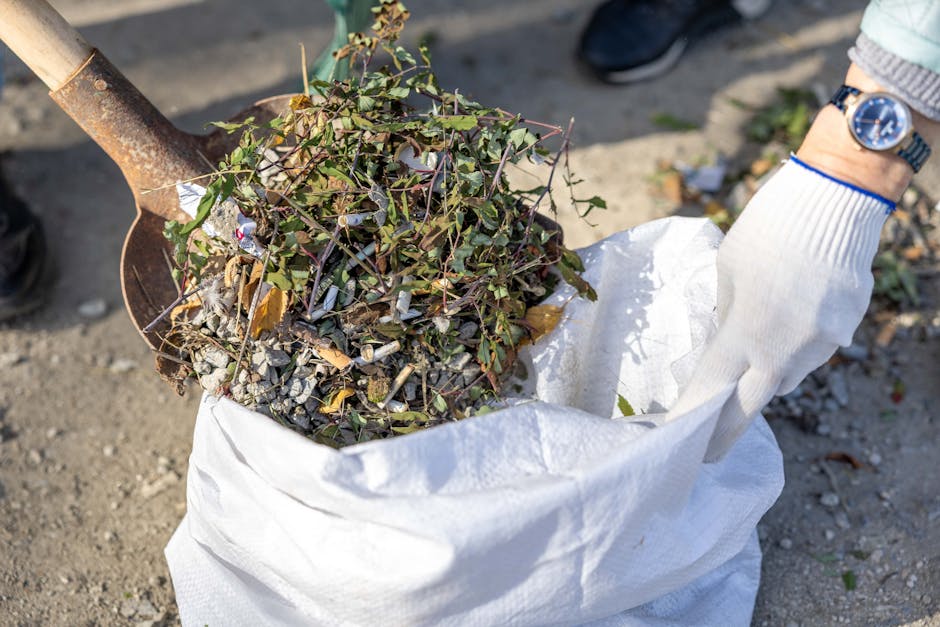
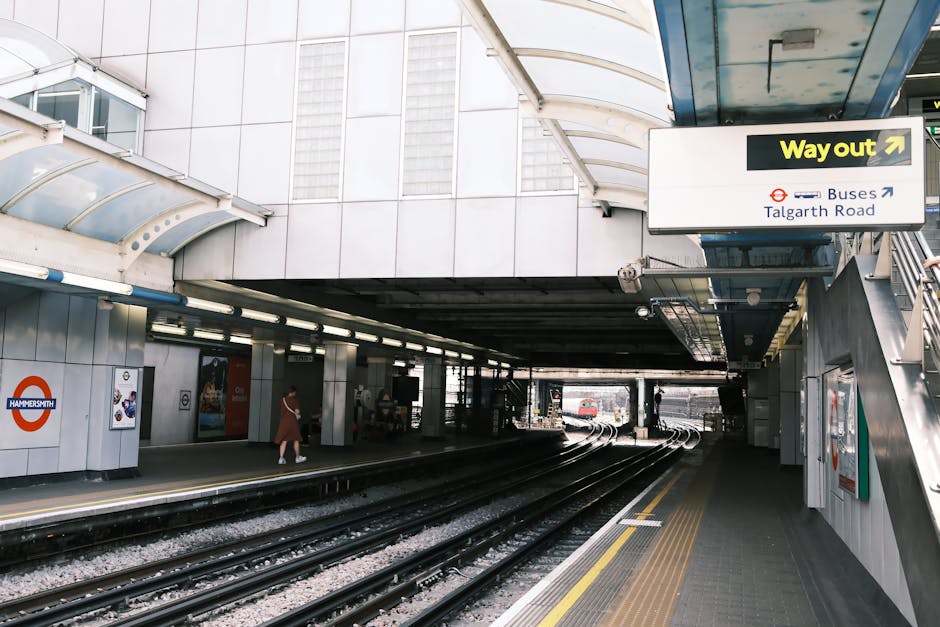
Farringdon Station quick garden clearance by local gardeners
If your garden has tipped from "a bit untidy" into "where did all this come from?", you are not alone. Around Farringdon Station, space is tight, schedules are tighter, and outdoor areas can get cluttered faster than people expect. That is exactly why Farringdon Station quick garden clearance by local gardeners is such a useful service: it gets the mess removed quickly, safely, and with far less disruption to your day than a DIY clear-out usually creates.
Whether you are dealing with overgrown borders, storm debris, broken pots, bags of cuttings, or a garden that has simply been left too long, the right local team can bring order back without dragging the job out for days. In this guide, we will look at how quick clearance works, what it usually includes, who it suits, and how to get the best result without wasting time or money. A tidy garden is not just nicer to look at. It is easier to use, easier to maintain, and, frankly, a lot less stressful.
Why Farringdon Station quick garden clearance by local gardeners Matters
Garden clearance is not just about making things look neat for a weekend. In a busy EC1 setting, it often becomes a practical necessity. Small gardens, basement yards, roof terraces, shared access routes, and compact courtyards can become difficult to use when cuttings, dead plants, ivy, and old fixtures pile up. A prompt clearance helps stop small problems from becoming bigger ones.
For example, a build-up of wet leaves and decaying green waste can make paths slippery. A forgotten pile of branches can hide pests. Thick weeds can creep into paving joints, and once that starts, you end up needing more than a simple tidy-up. You need a proper reset. That is where local gardeners have a clear advantage: they know how to work efficiently in restricted spaces and can often clear the area without turning the place upside down.
There is also the pace of local life to consider. Around transport hubs like Farringdon, people often want work done quickly and cleanly, with minimal noise and minimal fuss. A local team can plan around access, parking, shared entrances, and the realities of working in central London. To be fair, that matters more than people realise until the first bulky waste bag has to be carried through a narrow side passage.
If your garden needs more than a one-off tidy, it may also be worth looking at ongoing garden maintenance in Clerkenwell EC1 so the space stays under control after the clearance. And if your overgrowth includes hedges that are taking over the boundary, professional hedge trimming can be the right next step.
How Farringdon Station quick garden clearance by local gardeners Works
Most quick garden clearances follow a simple, sensible pattern. The exact details change depending on the size of the garden, how much waste needs moving, and whether any heavy or awkward items are involved, but the overall process is usually straightforward.
1. Initial assessment
The gardeners look at the site, either in person or from photos, and work out what needs removing. This helps them decide how many people, what equipment, and how much time the job will require. A good assessment saves everyone time later.
2. Clear identification of waste and obstacles
It is one thing to say "clear the garden." It is another thing entirely when the garden contains old planters, tangled climbers, piles of soil, broken trellis, heavy bags, or access routes that need protecting. A proper clear-out distinguishes between green waste, general rubbish, reusable materials, and anything that needs extra care.
3. Fast removal and sorting
The team removes debris in a practical order: large items first, then cuttings, then smaller litter, then finishing debris. This keeps the working area safer and stops cleared material from getting in the way. If there are old slabs, damaged edging, or worn timber that needs replacing rather than removing, a wider service such as local landscaping support may be useful afterwards.
4. Finishing tidy-up
Once the bulk is gone, the area is swept, raked, and checked for missed waste. This final pass is the bit that makes the difference between "cleared" and "properly cleared." It is a small detail, but it really shows. Especially on a damp morning when bits of leaf mulch cling to every surface like they own the place.
5. Disposal or recycling
Responsible gardeners generally separate waste where possible and arrange disposal in line with local expectations. The aim is to leave you with a clean garden and no awkward pile of bags waiting by the gate for a later day. If the job includes stubborn surface grime on paving, you might also combine it with patio cleaning so the space feels truly reset.
Key Benefits and Practical Advantages
The biggest benefit is obvious: speed. But quick clearance is valuable for a few other reasons too, and these can be just as important in real life.
- Fast use of the space again: If you need the garden ready for family use, tenants, buyers, or guests, speed matters.
- Less physical strain: A lot of garden waste is heavier than it looks. Branches, soaked compost, and old containers add up quickly.
- Better safety: Clearing trip hazards, sharp debris, and hidden obstructions reduces avoidable accidents.
- Improved appearance: A cleared garden immediately feels bigger, calmer, and more workable.
- Better long-term planning: Once the clutter is gone, it becomes easier to see what the garden actually needs next.
- More efficient upkeep: Ongoing work like mowing, weeding, and pruning is much easier after a proper clear-out.
There is also a mental benefit people underestimate. A messy outdoor space can make you avoid using it. Once it has been cleared, even a small courtyard can feel like a usable room again. It is not magic, but it is close enough on a grey London afternoon.
If your garden has been neglected for a while, you may find it useful to read practical advice for neglected gardens. And if the garden includes lawn areas that need bringing back into shape, lawn mowing services or broader lawn care can make the whole space look more balanced.
Who This Is For and When It Makes Sense
This service suits more people than you might think. In practice, quick clearance is often chosen by homeowners, landlords, tenants, letting agents, and property managers who need a garden brought back under control without delay.
It makes sense if:
- you have just moved into a property with an overgrown garden
- you are preparing for a sale or letting viewings
- storm damage has left branches and debris across the space
- you have a rental turnover deadline
- your garden has become too cluttered for routine maintenance alone
- you want a one-off reset before redesigning the space
It is also a smart choice if access is awkward. Local gardeners familiar with the area tend to work more confidently around narrow passages, shared entrances, and tight storage spots. That sort of practical experience saves time. A lot of time, sometimes.
If you are thinking beyond clearance and into a proper redesign, you might later move on to broader gardening services or even fencing work if boundary panels, supports, or screening are part of the problem. A clear garden often reveals the next job very quickly.
Step-by-Step Guidance
If you want the process to run smoothly, it helps to think of garden clearance as a short project rather than a vague tidy-up. Here is a sensible way to approach it.
- Walk the garden first. Note the biggest issues: waste piles, overgrowth, broken items, blocked access, and areas that might hide hazards.
- Decide what must go. Separate green waste from general rubbish and anything you want to keep. This saves time on the day.
- Clear access routes. If gardeners need to carry waste through side passages, make sure gates, bins, and tools are out of the way.
- Tell them about fragile features. Raised beds, irrigation lines, wildlife areas, and ornaments should be pointed out before the work starts.
- Ask for a sequence. Good teams usually work from the biggest obstructions down to the finer finishing work.
- Request a final walk-through. This is where you check what has been removed and whether any details still need attention.
One useful tip: if you already know that certain shrubs or hedges need more than clearance, mention it early. A quick clear-out can turn into a more efficient job if the team knows a hedge trim, pruning job, or even tree work should be done at the same visit. For taller or more complex growth, tree surgery may be the safer route.
And yes, it is always better to mention the awkward corner now rather than five minutes before the van is full. We have all done that little "oh, there's one more bit" moment. It happens.
Expert Tips for Better Results
In our experience, the best clearance jobs are the ones where the customer gives a little context, not just a postcode and a vague sigh. The more the gardeners understand, the more efficiently they can work.
- Be clear about urgency. If the garden needs to be ready before a viewing, event, or contractor visit, say so upfront.
- Photograph the worst areas. A few pictures make estimates and planning much easier.
- Separate keep and remove items. Even a simple "pile" system can prevent confusion.
- Think about the next step. If you want planting, turf work, or a redesign after clearance, make that part of the plan.
- Pair clearance with other tasks. For example, heavy overgrowth often goes hand in hand with hedge reshaping, weed control, or surface cleaning.
- Keep access practical. A clear route from the front to the garden can shave real time off the visit.
If you are trying to make a small London garden look larger and calmer after clearance, it can help to think in layers: clean borders, open floor space, and a few strong plants rather than lots of clutter. Articles such as low-maintenance garden ideas and container gardening are useful if you want an easier future upkeep pattern.
And if privacy is part of your thinking, it is worth exploring privacy hedge ideas after the clearance is done. A tidy garden should feel usable, not bare and exposed.
Common Mistakes to Avoid
Quick clearance sounds simple, but there are a few classic errors that slow everything down or leave the space half-finished.
- Underestimating the volume of waste. Green waste compresses poorly. What looks like two bags can turn into six.
- Leaving hidden obstacles in place. Old edging, half-buried pots, and loose timber can cause delay or damage.
- Not saying what you want kept. There is nothing worse than assuming everyone knows which plant is "special" without telling them.
- Trying to do too much at once. If the garden is heavily neglected, start with clearance before planning detailed planting or styling.
- Ignoring aftercare. A cleared garden can rewild surprisingly fast if you do not put a simple maintenance routine in place.
- Forgetting drainage or ground condition. If the area is boggy, compacted, or shaded, the next stage may need soil work or planting choices that suit those conditions.
Sometimes the mistake is purely emotional. You look at the mess, feel overwhelmed, and then do nothing for another month. Truth be told, that is human. But once the first pass is done, the rest becomes far easier.
If weeds are part of the problem, it may help to look at three weed control techniques so they do not bounce straight back. And if the garden is battered by weather, weather defence advice can help you protect the cleaned-up space.
Tools, Resources and Recommendations
Quick garden clearance is easier when the right tools are available. You do not need to know every tool by name, but it helps to understand what is typically used and why.
| Tool or item | Typical use | Why it matters |
|---|---|---|
| Tarps and sacks | Collecting and moving cuttings | Speeds up handling and keeps paths cleaner |
| Shears, loppers, secateurs | Reducing overgrowth and cutting back branches | Makes bulky waste easier to manage |
| Rakes and brooms | Finishing the area | Leaves the garden looking genuinely tidied |
| Wheelbarrow or tubs | Transporting debris | Useful where access is narrow |
| Gloves and protective kit | Safety during clearance | Helps prevent cuts, splinters, and contact with rough debris |
For slightly more ambitious work, you might also need support with soil refresh, planting plan adjustments, or structure repairs. A good reference point for rebuilding after a clear-out is soil enrichment ideas, especially if the garden has been stripped back and needs healthier ground conditions.
If the space needs a complete rethink, browse calm garden design ideas or vertical gardening tips. They are useful if the goal is not just to clear, but to improve the whole feel of the place.
Law, Compliance, Standards, or Best Practice
Garden clearance in London usually sits under straightforward best-practice expectations: waste should be handled responsibly, access should be kept safe, and any work that could affect neighbours, shared spaces, or protected features should be done carefully. Exact legal duties can vary depending on the type of property and what is being removed, so it is sensible to stay cautious rather than assume.
For a homeowner or tenant, the main practical points are simple:
- Do not dump waste in communal areas. Keep it contained and organised.
- Be careful with access routes. If a passage or shared stairwell is used, it should be kept clear and safe.
- Handle cuttings and bulky waste properly. Green waste, timber, and general rubbish may need different treatment.
- Check for nesting wildlife or sensitive planting. If anything looks active or protected, pause and assess rather than rushing through.
- Use competent help for high-risk work. Anything involving tall trees, unstable structures, or awkward cutting should be handled by experienced people.
That last point matters. A quick clearance job should still be a safe job. Speed is useful, but it should never mean careless cutting or rushed lifting. If the garden has damaged structures, rotten timber, or unstable branches, proper judgement is more valuable than brute force.
Options, Methods, or Comparison Table
Different gardens need different approaches. A tiny courtyard with pots and leaf litter is not the same as a large overgrown yard or a commercial-style communal space. Here is a practical comparison.
| Method | Best for | Strengths | Limitations |
|---|---|---|---|
| DIY clearance | Very small tidy-ups | Low immediate cost, full control | Time-consuming, physically demanding, disposal can be awkward |
| Local gardener clearance | Most domestic gardens | Fast, efficient, safer, better finish | Requires booking and clear instructions |
| Clearance plus maintenance | Repeatedly messy gardens | Stops the same issue returning quickly | Costs more than a one-off visit |
| Clearance plus landscaping | Neglected or awkward gardens | Transforms the space, not just tidies it | Takes more planning and may need multiple visits |
As a rule, if you are dealing with more than a small amount of waste or overgrowth, a local gardener is usually the most sensible middle ground. DIY can work, of course. But by the time you have hired a van, borrowed tools, and lost half a Saturday, the appeal starts to fade a bit.
For gardens needing a longer-term plan after clearance, scheduled upkeep is often the most cost-effective approach. For spaces with structural edges, screens, or boundary issues, landscaping support can turn a cleared patch into a genuinely usable outdoor area.
Case Study or Real-World Example
A realistic example: a compact garden near Farringdon had been used mostly for storage over winter. By spring, it had accumulated broken pots, tangled climbers, leaf build-up, a few neglected planters, and a narrow run of paving that had become almost unusable. The owners did not need a redesign straight away. They needed the garden back.
A local clearance team would typically start by removing loose waste, then cutting back the heaviest overgrowth, and finally opening the paths and borders so the remaining structure of the space could be seen clearly. After that, the garden would be swept through, any missed debris collected, and the owners would be left with a much clearer picture of what to do next.
What usually surprises people is not just how much gets removed, but how different the garden feels once the clutter is gone. Suddenly the small space looks larger. Air moves through it again. You notice the paving, the fence line, the planting pockets. The garden stops feeling like a storage area and starts feeling like a room. That is the real win.
If the clearance reveals weak borders or tired planting, the next logical step might be beginner-friendly garden planning ideas or advice on creating a calmer seating area. Once the clutter is gone, even a modest upgrade can make a huge difference.
Practical Checklist
Before the gardeners arrive, use this quick checklist to make the day smoother.
- Identify the worst areas that need clearing first
- Mark anything that should not be removed
- Move personal items, toys, and tools out of the way
- Check access through gates, side paths, or shared entrances
- Tell the team about fragile plants, cables, or fixtures
- Decide whether hedge trimming, mowing, or cleaning should be included
- Take before photos if you want to compare the result later
- Arrange a simple follow-up plan so the space stays tidy
If the garden includes a lot of edging, borders, or tall screening that needs attention after the main clear-out, you might also keep hedge trimming in mind as a follow-on task. Small improvements stack up quickly after a proper clearance.
Conclusion
Farringdon Station quick garden clearance by local gardeners is really about restoring order without fuss. It helps you reclaim the garden, reduce hazards, and create a better starting point for whatever comes next, whether that is maintenance, planting, or a full redesign. In a busy part of London, a fast and practical approach makes a lot of sense.
The main thing is to treat clearance as the beginning of a better outdoor space, not just a one-time tidy. With the right plan, the right timing, and a local team that understands the realities of working in tight urban gardens, the whole process becomes much easier than most people expect.
Get a free quote today and see how much you can save.
Frequently Asked Questions
What does quick garden clearance usually include?
It typically includes removing green waste, pruning back overgrowth, collecting loose debris, tidying access routes, and leaving the garden ready for the next stage. The exact scope depends on the garden and what needs doing.
How fast can a local gardener clear a small garden near Farringdon Station?
Small gardens can often be cleared in a relatively short visit, but the time depends on access, waste volume, and whether heavy items or overgrowth are involved. A proper assessment is the safest way to judge it.
Is garden clearance the same as garden maintenance?
No. Clearance is usually a one-off reset to remove clutter and overgrowth, while maintenance is ongoing work such as mowing, trimming, weeding, and general upkeep. Many people use both services at different stages.
Can I combine garden clearance with hedge trimming or lawn work?
Yes, and that is often sensible. If the garden has been neglected, combining clearance with hedge trimming or lawn care can save time and give a better overall result.
Do I need to sort the waste before the gardeners arrive?
It helps, but it is not always essential. If you can separate items you want to keep from those you want removed, the job usually runs faster and more smoothly.
What if the garden has a lot of weeds and broken plants?
That is very common. Weeds, dead planting, and damaged pots are often part of a larger clearance job. The key is to remove the mess first, then decide how to rebuild the space.
Is it worth hiring local gardeners instead of doing it myself?
For anything beyond a very small tidy-up, yes, usually. Local gardeners bring the tools, labour, and disposal know-how, which saves time and avoids a lot of heavy lifting.
What should I tell the gardeners before the job starts?
Point out any fragile plants, items to keep, access issues, and whether you want extra work like mowing, hedge cutting, or patio cleaning. Clear instructions prevent mistakes.
Can garden clearance help if I am preparing a property for sale or rent?
Absolutely. A cleared garden makes a property feel better maintained and easier to view. It is one of the quickest ways to improve first impressions outside.
What happens if the garden includes awkward trees or risky branches?
That should be assessed carefully. If the work involves unstable or higher-risk growth, it may need specialist attention such as tree surgery rather than basic clearance.
Will a garden clear-out stop weeds from coming back?
Not on its own. Clearing the space is the first step. To reduce regrowth, you usually need follow-up maintenance, better planting choices, and sometimes soil improvement or ground cover.
How do I keep the garden tidy after a clearance?
A simple routine works best: light weeding, regular mowing if needed, periodic hedge trimming, and a quick sweep after windy weather. Small and steady usually beats big and occasional.
If you want the space to stay in better shape after the clear-out, it may also be worth exploring ground cover ideas or evergreen climbers for long-term structure. Sometimes the smartest fix is the one that keeps the garden easier to live with, not just prettier for a day.
And that, honestly, is what good garden clearance should do: make the next week easier, not just the next photograph.