Exmouth Market garden maintenance by Clerkenwell gardeners
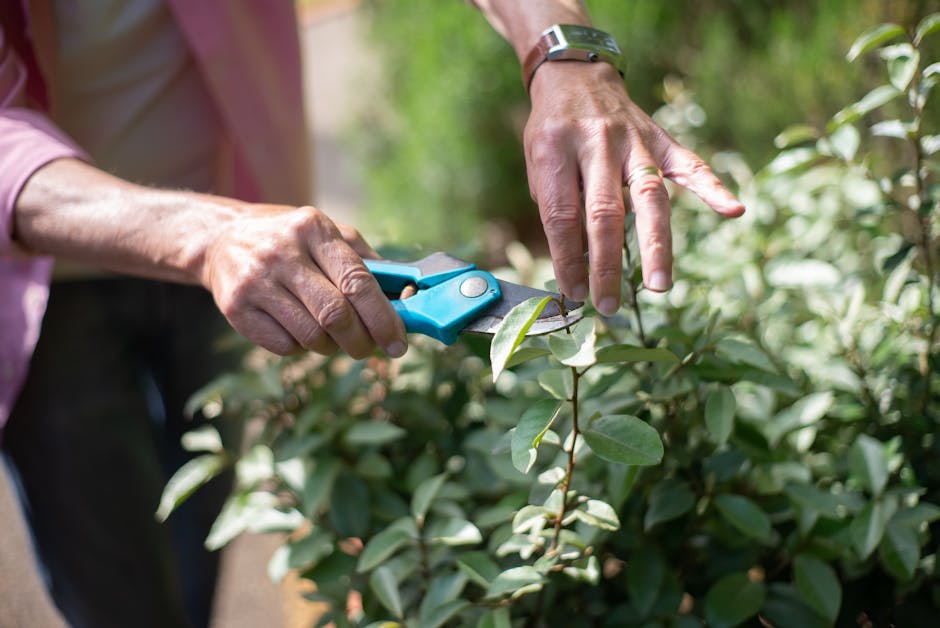
Exmouth Market has its own rhythm. Busy pavements, pockets of shade, townhouses and tucked-away courtyards all shape how a garden lives from one week to the next. That is why Exmouth Market garden maintenance by Clerkenwell gardeners is rarely just "mow the lawn and tidy the borders". It is about keeping a small urban outdoor space healthy, neat, practical, and pleasant to use without turning it into a second job.
If your garden is starting to feel a bit scruffy, overgrown, or simply hard to keep on top of, you are not alone. London gardens can look fine for a while, then one windy week, a wet spell, or a burst of fast growth and suddenly everything feels out of hand. This guide explains how a local maintenance service works, what it usually includes, where the real value lies, and how to make sensible choices for an Exmouth Market property.
Why Exmouth Market garden maintenance by Clerkenwell gardeners Matters
In a location like Exmouth Market, gardens tend to be compact, visible, and exposed to constant foot traffic, building dust, shade from neighbouring properties, and the odd gust that rattles through a narrow side return. That means neglect shows quickly. A few missed weeks can leave a border full of weeds, a lawn looking tired, or a hedge beginning to swallow light.
Regular maintenance matters because urban gardens work harder than they look. They are often asked to do several jobs at once: provide privacy, soften hard surfaces, support pollinators, create somewhere to sit, and still look tidy from the kitchen window. If one part slips, the whole space can feel off-balance. A good maintenance routine keeps that balance in check.
It also protects the value of the garden itself. Healthy soil, controlled growth, clean surfaces, and well-timed pruning all make future work easier. That is the real win. You are not just paying for a tidy-up; you are preventing the slow drift into a bigger, more expensive restoration later on. Truth be told, that is where many gardens are lost - not in one dramatic season, but in lots of small missed tasks.
If you are already thinking broader than basic upkeep, it is worth looking at a fuller Clerkenwell garden maintenance service or pairing it with light landscaping support when a space needs more than routine care. For hedges that are getting a bit ambitious, professional hedge trimming is often the difference between "managed" and "messy".
How Exmouth Market garden maintenance by Clerkenwell gardeners Works
Most maintenance visits start with a quick assessment. That sounds simple, but it is the part that shapes everything else. A gardener will usually look at plant health, lawn condition, weeds, access, drainage, hard surfaces, hedge growth, and whether there are any seasonal tasks that need prioritising. A smart assessment does not just ask, "What looks untidy?" It asks, "What needs attention now, and what can wait?"
From there, the work is typically broken into practical tasks. Some are routine, some seasonal, and some are response-based. For example, a standard visit might include mowing, edging, deadheading, pruning, clearing leaves, weeding, feeding, sweeping paths, and checking over plant supports. If the garden has patios or decked areas, maintenance can also extend to surface cleaning and stain prevention, which makes a bigger difference than people expect.
One thing that often gets overlooked in Exmouth Market gardens is access. Many spaces are narrow or shared, so gardeners need a tidy, low-disruption method. That means sensible tools, clear waste removal, and work that fits around neighbours, residents, or commercial tenants. In our experience, the best results come from regular, smaller interventions rather than occasional "heroic" clear-outs. Those big one-off jobs feel satisfying, but the garden usually wants consistency.
Where trees, boundary planting, or structural changes are involved, the job may need additional services. For overgrown canopies or damaged limbs, tree surgery in Clerkenwell EC1 can help reduce risk and bring light back into the space. If you are rethinking the layout altogether, a conversation about general gardening services can help you decide whether the garden needs maintenance only, or a deeper reset.
Key Benefits and Practical Advantages
Good maintenance is about more than appearance, although appearance matters. A clean, orderly garden feels calmer to use, easier to enjoy, and much less of a chore when you open the door on a bright morning. But there are some very real practical gains too.
- Healthier plants: Regular deadheading, feeding, pruning, and watering checks reduce stress on shrubs, climbers, and seasonal planting.
- Better use of space: Small gardens around Exmouth Market need clear edges and controlled growth so paths, seating, and doors stay usable.
- Reduced weed pressure: Light, regular weeding is far easier than tackling rooted-in offenders later.
- Safer surfaces: Slippery patios, uneven debris, and blocked access points are easier to manage when cleaned regularly.
- Improved first impressions: If your garden is visible from the street or shared areas, tidy planting makes a noticeable difference.
- Lower long-term cost: Routine care tends to be cheaper than correcting neglect, especially where hedges, lawns, or mature shrubs are involved.
There is also a mental benefit that people underestimate. A well-kept garden gives you a small sense of control in a city where plenty of things are outside your control. You know the feeling: one evening the light drops over the planters, the path is clear, the leaves have been swept, and suddenly the whole place breathes a bit easier. Simple, but effective.
For some gardens, the practical gains extend to privacy and shelter. If overlooked boundaries are an issue, garden fencing can work alongside planting to create a more private space. And when the planting itself is meant to do the heavy lifting, ideas from privacy hedge guidance and wind defence planting can be genuinely useful.
Who This Is For and When It Makes Sense
This kind of service is a strong fit for homeowners, landlords, managing agents, small businesses, and anyone with a front or rear garden that needs steady upkeep without constant personal attention. In Exmouth Market especially, many people simply do not have the time, tools, or storage space to maintain a garden properly. That is not a failure. It is just modern city life.
It also makes sense if the garden has become slightly awkward rather than fully neglected. Maybe the lawn is patchy but not beyond repair. Maybe the border has become too dense. Maybe the patio looks fine from a distance, but close up it is green with algae. These are the jobs that respond well to regular maintenance. They are annoying, yes, but still manageable.
For renters or landlords, there is another angle. A tidy exterior helps with presentation at viewings, inspections, and day-to-day pride of place. And for families, a maintained garden can make outdoor time feel safer and more usable. If you are planning something child-friendly, the layout ideas in child-friendly garden layout tips are worth a look. If you are aiming for lower effort overall, low-maintenance garden ideas can help shape the brief from the start.
And if the garden is basically at the "where do we even start?" stage, you are in good company. A lot of people arrive there after a busy season, a house move, or one too many wet months. The good news? It is usually recoverable.
Step-by-Step Guidance
If you want a sensible maintenance rhythm for an Exmouth Market garden, start here. This is not glamorous, but it is the stuff that works.
- Walk the space slowly. Look for weeds, dead growth, overhanging branches, blocked drainage, tired pots, and any areas that no longer feel usable.
- Clear the obvious clutter first. Leaves, fallen petals, broken stems, and debris make everything else harder to assess.
- Cut back growth with purpose. Prune what is encroaching on paths, windows, or neighbouring spaces, but avoid "just hacking it" if the plant is in active growth.
- Deal with soil and feeding. If plants look weak, compacted soil or nutrient loss may be part of the problem. The article on soil enrichment through organic waste is a useful companion read.
- Refresh lawns and edges. Mow at the right height, trim edges cleanly, and check for bare patches or shade stress.
- Clean hard landscaping. Sweep, wash, and lift moss or algae before it becomes slippery or stains permanently.
- Review plant spacing and structure. If one shrub is crowding another, or climbers are taking over, reduce competition before it becomes a fight.
- Finish with a quick check of future problems. Note anything that needs attention next month, not just today. That is how you stay ahead.
A lot of garden maintenance is about sequence. If you weed after pruning, you spot more issues. If you mow before edging, the whole job looks cleaner. Tiny order-of-operations stuff, but it matters.
When climbers, containers, or houseplants are part of the picture, maintenance becomes even more specific. For example, overworked pots may need repotting, and the guidance in how to repot your orchid is a good reminder that container plants often need a lighter, more careful hand. If you want more inspiration for vertical or space-saving planting, vertical gardening ideas can open up useful options.
Expert Tips for Better Results
The best maintenance routines are not the most complicated. They are the ones that fit the garden you actually have. Here are a few practical tips that tend to make a real difference.
- Keep an eye on shade shifts. Nearby buildings and trees can change light levels through the year, which affects lawns, beds, and even containers.
- Do less, more often. A quick tidy every couple of weeks usually beats a huge seasonal overhaul.
- Match pruning to the plant. Not every shrub wants the same treatment. Some need shaping, others need selective thinning, and some just need dead wood removed.
- Use mulch where it helps. It suppresses weeds and holds moisture, but only if applied sensibly and not piled against stems.
- Be realistic about lawn performance. In deep shade or heavy foot traffic, a perfect lawn may be the wrong battle. Ground covers or planting beds can be smarter.
- Think about seasonality. Spring and early autumn usually bring the biggest maintenance pay-offs, while winter is more about structure and safety.
If hedges are part of your privacy strategy, try to combine form with function. A clipped hedge can soften a boundary and screen a view, but it still needs the right shape and regular checks. A bit of overenthusiasm with the trimmer can leave it thin for months. Nobody wants that. For shape and density ideas, hedge trimming techniques can be surprisingly handy.
And if you are a beginner, do not worry about trying to make everything perfect on day one. Gardening confidence tips are often just about building a rhythm and not panicking when one plant sulks. Plants do that. They are rude like that sometimes.
Common Mistakes to Avoid
Most garden problems do not come from one disastrous mistake. They come from little ones repeated over and over. Here are the ones worth watching.
- Cutting too much at once. Hard pruning can shock a plant, especially if it is already under stress from shade, drought, or poor soil.
- Ignoring drainage. Standing water or compacted soil can quietly damage roots long before you see visible symptoms.
- Using the wrong mowing pattern. Very short lawns may look tidy briefly, but they often suffer faster in hot or dry spells.
- Leaving weeds until they seed. This is the classic one. It always feels like a task for later, and then later gets expensive.
- Cleaning surfaces too aggressively. On patios and decking, the wrong pressure or harsh treatment can cause damage rather than improvement.
- Choosing plants without thinking about the site. A pretty plant that hates shade, wind, or compact urban soil will become a maintenance problem fast.
A useful rule of thumb: if a task feels like it needs force, pause and check whether it needs technique instead. That applies to pruning, cleaning, and even planting. More force rarely equals better gardening. More often, it just means more mess.
For hardscape areas, regular care helps avoid bigger issues. If a seating area or pathway is already looking tired, patio cleaning in Clerkenwell and decking services can restore usability without needing a full redesign.
Tools, Resources and Recommendations
You do not need a shed full of equipment to maintain a small garden well. In fact, too many tools can make the job slower. What matters is having the basics in good condition and using them consistently.
| Task | Useful tools | What to watch for |
|---|---|---|
| General tidy-up | Gloves, hand fork, secateurs, rake, trug or bucket | Sharp tools, safe handling, and clean cuts |
| Lawn care | Mower, edging tool, spring rake, lawn feed if appropriate | Cut height, shade stress, and patchy areas |
| Hedge and shrub work | Hedge trimmer, loppers, secateurs | Nesting birds, overcutting, and uneven shapes |
| Patio and paving | Brush, hose, suitable cleaner, scraper | Slipperiness, staining, and joint damage |
| Soil improvement | Spade, compost, mulch, fork | Compaction, drainage, and over-feeding |
If you are weighing up what kind of support you actually need, it helps to compare routine care with more targeted interventions. A simple service schedule may be enough for a compact courtyard, while a larger or more varied garden may benefit from a combination of lawn mowing, lawn care, and structural garden work. And if the space needs a broader refresh, Clerkenwell landscaping can help shape the long-term plan.
For planting inspiration that fits urban conditions, a few of the site's gardening articles are useful companions: container gardening for tight spaces, ground cover ideas for shading out weeds, and herb garden ideas for small but productive corners.
Law, Compliance, Standards, or Best Practice
Garden maintenance in a London setting usually does not involve heavy regulation day to day, but there are still sensible standards to follow. If work involves trees, nesting birds, shared boundaries, or access near neighbours, care and judgement matter. A good gardener will avoid damaging protected growth, minimise disruption, and use methods that are safe for the setting.
Noise and timing also deserve a bit of common sense. In a busy urban area, intrusive work early in the morning or late in the evening can cause avoidable friction. That might sound obvious, but it is one of those things people only notice when it goes wrong. Good practice means tidy working, responsible waste handling, and clear communication before anything major is cut back or removed.
Health and safety should be straightforward too. Tools should be used correctly, protective equipment should be worn where needed, and access routes should be kept clear. If a task feels beyond routine maintenance - for example, a tall tree, unstable structure, or a hedge close to shared access - it is better handled by a specialist rather than improvised. Careful is good. Careful is underrated.
There is also a practical quality standard hidden in the background: consistency. Regular inspections, clear pruning decisions, and sensible seasonal timing usually produce better outcomes than dramatic, ad hoc work. That is the real best practice for urban gardens.
Options, Methods, or Comparison Table
Different gardens need different approaches. Some only need light upkeep. Others need a mix of maintenance and improvement work. Here is a simple comparison to help you think it through.
| Approach | Best for | Typical strengths | Watch-outs |
|---|---|---|---|
| Light routine maintenance | Small, healthy gardens | Quick, affordable, keeps things neat | May not solve underlying design or soil issues |
| Seasonal maintenance | Gardens with strong spring and autumn changes | Good for pruning, feeding, and clearance | Can leave long gaps between visits if not scheduled well |
| Maintenance plus repairs | Gardens with worn surfaces or tired planting | Restores usability and appearance | Needs a clearer brief and sometimes more budget |
| Maintenance plus redesign | Overgrown or awkward gardens | Solves layout issues and long-term usability | Takes more planning and usually more time |
In practice, many Exmouth Market gardens sit somewhere between the first and third rows. They do not need a full rebuild, but they do need a better system. That system usually involves a regular maintenance plan and occasional specialist support when hedges, trees, or surfaces get ahead of themselves.
Case Study or Real-World Example
Imagine a compact rear garden off Exmouth Market: a narrow lawn, two raised beds, a hedge along the back boundary, and a paved sitting area that gets a bit slippery after rain. Nothing dramatic. Just a space that has slipped behind.
At first glance, the garden seems to need everything. But once the maintenance priorities are broken down, the picture changes. The hedge is trimmed back to let in more light. The lawn is cut properly rather than scalped. Weeds are cleared before they seed. The patio is cleaned so it stops looking dull and feels safer underfoot. A little soil enrichment is added to the beds, because the plants are clearly working too hard in tired ground.
A month later, the space is not transformed into some glossy magazine fantasy. That would be a bit daft. But it is usable again. The sitting area is dry and welcoming, the planting looks intentional, and the garden stops feeling like a background worry. That is the real result most people want. A calmer space, less hassle, and no more wondering whether the garden is quietly judging them.
For gardens that need a deeper reset after neglect, this makeover guide for neglected gardens is a useful next read. If privacy is also part of the brief, evergreen climbers for shade and screening can be a smart way to add softness without losing square footage.
Practical Checklist
Use this simple checklist before, during, or after a maintenance visit. It keeps the job focused and stops small tasks slipping through the cracks.
- Check where weeds are recurring most often.
- Inspect lawn health in sun and shade separately.
- Look for hedge or shrub growth blocking light or access.
- Clear leaves and debris from borders, paths, and drainage points.
- Review any slippery or stained patio sections.
- Confirm whether pots need watering, feeding, or repotting.
- Remove dead, broken, or diseased growth.
- Decide what is routine work and what needs specialist attention.
- Note seasonal tasks for the next visit.
- Finish with a quick visual check from the doorway or window. It helps more than you'd think.
Expert summary: if you want Exmouth Market garden maintenance to stay manageable, think in layers - tidy, protect, improve, and then maintain. That order keeps the garden healthy without overcomplicating the work. Simple is not lazy. Often it is just the smartest way through.
Conclusion
Exmouth Market garden maintenance by Clerkenwell gardeners is best understood as steady, intelligent care for a garden that has to work hard in a dense urban setting. The goal is not perfection. It is reliability, usability, and a space that feels looked after instead of constantly catching up.
When maintenance is done well, the whole garden starts to cooperate. Plants settle. Surfaces feel safer. Boundaries look intentional. And you get that small, satisfying moment when you step outside and think, yes, this works again. That matters more than people admit.
If you are deciding whether your garden needs routine upkeep, a seasonal reset, or something more structural, it is worth speaking to a local team that understands London gardens and the quirks of spaces around Exmouth Market. A good plan now can save a lot of hassle later, and it usually makes the garden easier to enjoy straight away.
Get a free quote today and see how much you can save.
Even a small garden can feel generous when it is properly cared for, and that is a lovely thing to get back.
Frequently Asked Questions
What does Exmouth Market garden maintenance by Clerkenwell gardeners usually include?
It usually includes the core upkeep tasks that keep a garden neat and healthy: mowing or strimming where needed, edging, weeding, pruning, deadheading, leaf clearance, basic planting care, and tidy-up work on paths or patios. The exact mix depends on the season and the garden itself.
How often should a garden in Exmouth Market be maintained?
That depends on planting density, lawn use, and how visible the garden is. Many small urban gardens benefit from fortnightly or monthly attention in the growing season, with lighter checks in winter. Fast-growing hedges, lawns, or heavily used patios may need more frequent care.
Is regular maintenance better than one big annual tidy-up?
Usually, yes. Smaller, regular visits keep weeds down, prevent overgrowth, and make plant care more effective. A single big tidy-up can help if the garden has been neglected, but it is not a long-term substitute for routine maintenance.
Can garden maintenance help a shaded city garden?
Absolutely. Shade changes the rules, but it does not stop maintenance from working. In shaded gardens, the focus may shift toward pruning for light, selecting suitable plants, controlling moss or algae, and keeping the soil healthy so everything else has a fighting chance.
What if my garden is very overgrown?
Then it may need a clearance or reset before routine maintenance can begin properly. Once the main problems are cut back and the garden is safer to work in, maintenance can take over and keep things under control.
Do lawns in Exmouth Market need specialist care?
Often, yes. Small lawns in city gardens can struggle with shade, drought, compaction, and foot traffic. Basic mowing helps, but ongoing lawn care may be needed to improve thickness, colour, and resilience. If the lawn is patchy or tired, a broader lawn care service in Clerkenwell is often the smarter route.
Can maintenance include hedge trimming and boundary work?
Yes, when it is appropriate for the garden. Hedges, climbers, and boundary shrubs often need regular shaping to keep light, privacy, and access in balance. In some cases, professional hedge trimming is the best way to keep growth under control without damaging the plant.
What should I do before a gardener arrives?
It helps to clear personal items, think about problem areas, and decide what matters most - privacy, lawn recovery, weed control, planting, or hard-surface cleaning. Even a short list makes the visit more productive.
Is patio or decking care part of garden maintenance?
It can be. Many gardens benefit from cleaning and light upkeep on hard surfaces because algae, dirt, and leaf build-up affect both appearance and safety. If the area needs more than a sweep, patio cleaning or decking services may be a better fit.
How do I know whether I need maintenance or landscaping?
If the garden is fundamentally fine but just needs regular care, maintenance is usually enough. If the layout feels awkward, the planting no longer works, or the space needs redesigning, then landscaping may be the better option. A lot depends on whether the issue is upkeep or structure.
Are there best-practice rules for garden work in London?
Yes, mostly common-sense ones: work safely, avoid unnecessary disruption, respect neighbours, handle waste responsibly, and be careful around trees, nesting birds, and shared boundaries. A professional gardener should work with those points in mind rather than treating them as afterthoughts.
Can I combine garden maintenance with planting improvements?
Definitely. In fact, it is often the most efficient way to work. Maintenance tackles what is already there, while planting improvements make the space easier to manage in the future. That might mean better ground cover, more suitable shrubs, or a few carefully chosen climbers.
How do I get started if I am not sure what my garden needs?
Start with a simple assessment: what looks unhealthy, what feels awkward to use, and what is becoming a recurring issue. From there, a local gardener can help separate routine upkeep from repair or redesign. If you are ready to talk it through, use the contact option on the website and ask for a visit or quote.