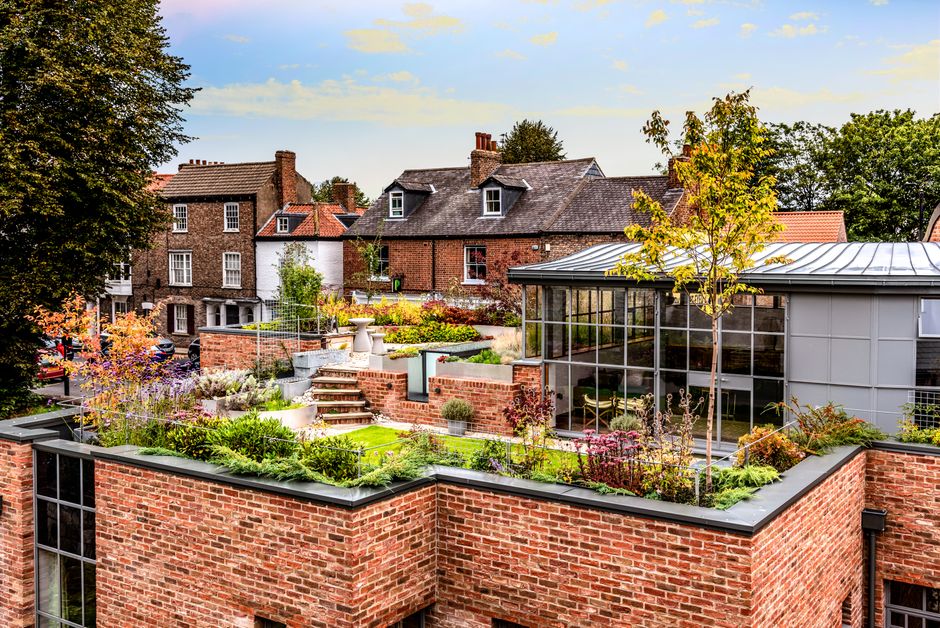
EC1R Rooftop Garden Services for Clerkenwell Flats
Rooftop gardens in EC1R can be brilliant little escapes. One minute you're looking at railings, vents and brick parapets; the next you've got soft planting, shade, privacy and a place to breathe. That is the promise of EC1R rooftop garden services for Clerkenwell flats-and in a dense part of London like Clerkenwell, it can make a flat feel properly liveable rather than just functional.
Truth be told, rooftop gardening is not just about adding a few pots and hoping for the best. Wind, weight, drainage, access, neighbours, and year-round maintenance all matter. If you get the basics right, though, even a modest roof terrace can become a calm, useful, attractive space that works with flat living instead of against it. This guide walks through how rooftop garden services work, what to expect, where the risks sit, and how to choose the right approach for your building.
Why EC1R rooftop garden services for Clerkenwell flats Matters
Clerkenwell flats often sit in buildings where outdoor space is limited, shared, or exposed. A roof terrace, balcony, or flat roof garden can become the one place where residents actually get a sense of openness. That matters more than people sometimes admit. On a bright morning, a few well-placed planters and a bench can change how the whole home feels.
Rooftop garden services are especially useful here because the environment is harsher than a ground-level garden. Wind can dry plants out in a day. Sun can be intense on reflective surfaces. Some roofs drain badly, and some older buildings need careful loading checks before anything substantial is added. A professional service understands that rooftop gardening in EC1R is not "garden, but up higher"; it's a different job altogether.
There is also the style side of things. Clerkenwell tends to suit clean planting, compact design and a bit of architectural restraint. That does not mean boring. It means making the most of structure, texture and seasonal change without cluttering the space. A good rooftop design can feel calm, modern and surprisingly green, even in the middle of the city.
If you are already improving other parts of a property, rooftop work can sit neatly alongside landscaping in Clerkenwell or broader gardening services in Clerkenwell. And if the roof garden is part of a longer upkeep plan, regular garden maintenance support usually keeps everything from slipping into that familiar "we'll sort it next month" zone. We've all seen that month stretch into a year.
How EC1R rooftop garden services for Clerkenwell flats Works
In practice, rooftop garden services usually start with an assessment. The service provider looks at access, available space, sunlight, wind exposure, drainage points and the condition of the roof surface or terrace. This first step matters because mistakes made up here are expensive, awkward and sometimes dangerous to undo.
After that, the work normally moves into planning. For many Clerkenwell flats, the best solution is a layered scheme: a few structural planters, lighter seasonal containers, climbing support where appropriate, and some kind of seating or surface treatment. If the roof is small, the design has to work harder. Every item should earn its place.
Planting selection is another key part. Roofs often suit compact shrubs, drought-tolerant perennials, grasses, herbs and container-friendly climbers. Heavy trees, thirsty lawns and oversized water features are usually poor fits unless the structure was built for them. If you want a greener feel without overloading the space, container planting is often the practical answer. There's a useful discussion of that approach in the versatility of container gardening.
Maintenance is not a side issue; it is the service. Roof gardens need watering checks, pruning, deadheading, feeding, surface clearing and seasonal resets. Wind can scatter compost, leave leaves in odd corners and dry containers fast. If you prefer a lighter-touch setup, ideas from low-maintenance garden ideas can help shape a roof garden that does not become a weekend burden.
In some cases, roof garden services also include added features like privacy screening, decking zones, pot arrangement, hedge shaping in planters, or calm seating areas. These extras are often what turn a rooftop from "some plants up there" into a proper outdoor room. To be fair, that is usually the point.
Key Benefits and Practical Advantages
The first benefit is obvious: more usable outdoor space. For flats in EC1R, that can be the difference between always feeling indoors and occasionally feeling like you've got a private escape above the street. But the real advantages go deeper than that.
- Better everyday livability: a roof garden gives you somewhere to sit, read, work, or have a morning coffee without leaving home.
- Improved privacy: planting, screens and layout can reduce the feeling of being overlooked, especially on shared rooftops.
- Cooling and comfort: greenery and softer surfaces can reduce the hard, hot feel of an exposed roof.
- Stronger visual appeal: attractive planting can improve how the flat feels from inside and how it presents to guests or buyers.
- More biodiversity: even a modest rooftop can support pollinators and create a more balanced urban environment.
- Seasonal interest: good planting means the view changes through the year instead of looking flat and tired by late summer.
There is a quieter benefit too: a well-managed outdoor space reduces stress. Not in a dramatic, magazine-cover way. More in the simple, real sense of making the end of the day feel a bit softer. You notice the sound of leaves moving. The city drops away a touch. That counts.
If privacy is a priority, pairing roof planting with ideas from hedge privacy ideas or even carefully chosen climbers can create shelter without making the roof feel boxed in. For wind-heavy spots, the thinking behind wind defense planting is especially useful, because rooftop exposure is no joke.
Who This Is For and When It Makes Sense
This service suits a surprisingly wide group of people. If you own a flat in Clerkenwell with a roof terrace, you may want a space that looks good with minimal fuss. If you rent, you may still want container-based improvements that are easy to manage and remove later. If you oversee a block or mixed-use building, you may need a long-term maintenance plan that keeps shared roof spaces tidy, safe and welcoming.
It also makes sense if you are trying to solve a specific problem. Maybe the rooftop is too windy. Maybe the surface feels bare and echoey. Maybe plants you've tried before have failed because the space was too exposed or the containers were too shallow. Or maybe the space works fine, but it just looks tired and slightly neglected. A roof garden makeover can be a very practical fix.
It is also worth considering if you already enjoy small-space growing. Roof gardens and balcony gardens suit people who like the detail of planting in pots, rotating displays, and keeping things neat rather than sprawling. If you're new to all this, beginner garden tips are a sensible place to build confidence before you go all in.
And yes, a roof garden can still work if you have pets or children, but the design has to be sensible. Non-slip surfaces, stable pots and safe planting choices matter more than decorative flair. That's just the honest truth.
Step-by-Step Guidance
Here is a practical way to approach rooftop garden services without getting overwhelmed.
- Assess the roof carefully. Check access, existing surface condition, drainage, available light and exposure to wind.
- Decide the purpose of the space. Is it for seating, planting, privacy, entertaining, or a mix of all four?
- Confirm load and layout constraints. Heavy planters, large stone pots and water features may not be suitable without structural confirmation.
- Choose the right planting style. Containers, raised planters and climbers often work best in EC1R roof settings.
- Plan wind protection early. Screens, denser planting and careful placement can prevent plants from constantly being battered.
- Set up irrigation or watering routines. Roof gardens dry out quickly, especially in summer or around reflective walls.
- Build in maintenance access. If you cannot reach a planter easily, it will become annoying very quickly. Believe me.
- Add the final layer. Seating, lighting, and surface finish should support how you want to use the space, not just how it looks on day one.
A small roof terrace can often be improved with a compact planting plan rather than a full redesign. For a larger rooftop, it may make sense to combine planting with softer hard landscaping elements. If that is the case, a service like decking services in Clerkenwell may help define walkways or seating zones, while a clean, stable finish can be maintained through patio cleaning support where paved areas are part of the roof layout.
One small but useful detail: think about what the space looks like in February, not just in June. A roof garden that only shines for six weeks a year is a missed opportunity. Winter structure matters. So does evergreen texture. So does a bit of honesty about how much care you'll actually give it.
Expert Tips for Better Results
In our experience, the best rooftop gardens are not the most crowded ones. They're the ones with a clear idea behind them. If the goal is calm, then calm should show up in the planting rhythm, the material choices and even the number of containers. If the goal is sociable outdoor living, then the layout needs room to move, sit and set things down without shuffling pots every five minutes.
Here are a few practical tips that tend to make a real difference:
- Use fewer, better containers. One or two strong focal pieces often look more polished than a mess of mismatched pots.
- Choose a wind-aware planting palette. Flexible grasses, hardy herbs and resilient perennials tend to cope better than delicate showpieces.
- Keep a water plan. A roof garden without a watering routine can decline fast in warm weather.
- Think in layers. Low planting, mid-height structure and taller screening together create depth without clutter.
- Mix texture, not chaos. Leaf shape, colour and surface matter more than packing in lots of species.
- Leave room for maintenance. You need space to lift, sweep, trim and inspect things properly.
If you want living cover that adds movement and shelter, it can be worth reading about evergreen climbers. For roof spaces that need a more tranquil character, zen-inspired garden design ideas can help you keep the atmosphere simple and restful rather than busy.
Here's a slightly nerdy but useful point: rooftop gardens often benefit from soil enrichment that holds moisture without turning waterlogged. That is where smart composting and substrate choice come in. If you want to go deeper on that side of things, soil enrichment through organic waste is a relevant concept to consider. Not glamorous, maybe, but the plants will thank you.
Common Mistakes to Avoid
Rooftop gardening goes wrong in fairly predictable ways. The good news is that most of them are avoidable once you know what to watch for.
- Ignoring wind exposure: plants can fail simply because they are in the wrong position.
- Overloading the structure: heavy containers, wet soil and bulky features can create unnecessary risk.
- Poor drainage: standing water damages both roots and surfaces.
- Choosing thirsty plants without a watering plan: roof conditions can be brutal in hot spells.
- Leaving maintenance until it's urgent: rooftop spaces deteriorate quickly when ignored.
- Making the space too busy: too many items can make a small rooftop feel cramped and awkward.
- Forgetting access and safety: if you can't reach a planter safely, it is going to become a nuisance.
One common mistake is assuming a roof garden can be treated like a ground-floor garden. It can't. The conditions are sharper, the microclimate is harsher, and access is usually more awkward. That sounds obvious, but people still do it. Every summer, someone does it.
A second mistake is treating privacy as an afterthought. On a rooftop, privacy needs to be built into the layout from the start. You can use screening planting, clever placement of furniture, and structural elements to create separation without enclosing the whole thing. If that sounds like the bit you need most, garden seating ideas for tranquil retreats can help you think beyond just the planting.
Tools, Resources and Recommendations
You do not need a warehouse of equipment to maintain a rooftop garden, but you do need the right basics. The right tools save time and reduce damage, especially in tight spaces.
| Need | Useful approach | Why it helps |
|---|---|---|
| Watering | Long-reach watering can or controlled hose access | Reduces spillage and makes routine care easier |
| Plant care | Light pruners, trowel, gloves and a hand fork | Enough for container maintenance without overcomplicating things |
| Surface care | Soft broom and regular debris removal | Helps drainage and keeps the roof tidy after windy weather |
| Seasonal planting | Mix of evergreens, seasonal colour and compact herbs | Maintains interest without creating heavy upkeep |
| Structure | Planters, screening, trellis and lightweight seating | Creates function without filling the space too much |
For plant-minded clients, a few adjacent topics can also help shape a rooftop plan. If orchids are part of the design or indoor-outdoor flow, repotting orchids and orchid maintenance tips may be useful. For herb-focused roof gardens, herb garden ideas can help you use fragrance and texture without crowding the site.
If the roof space is part of a larger property refresh, it can make sense to look at the broader condition of surrounding surfaces and planting areas too. Sometimes a roof garden looks better simply because the rest of the outdoor environment has been tidied up alongside it. A full Clerkenwell gardening service approach is often the neatest way to keep everything aligned.
Law, Compliance, Standards, or Best Practice
Roof gardens sit in a space where design meets responsibility. That means it is sensible to be careful about structure, access, fire safety considerations, drainage and shared-building rules. I'm keeping this general on purpose, because every building is different and the right approach can depend on lease terms, management company requirements and the roof's actual construction.
In practical terms, a good rooftop garden service should check that the design does not create avoidable load issues, water problems or access hazards. If a roof is shared, residents or the building manager may need to agree on what can be installed and how it will be maintained. That is especially true where there are flat roof membranes, communal routes, parapet walls or neighbouring properties close by.
Best practice usually includes:
- checking the condition of the roof surface before adding heavy items
- using planters and materials suitable for exposed conditions
- allowing for drainage and safe inspection access
- keeping pathways clear and free from trip hazards
- making sure plants and screens do not create nuisance to neighbours
- setting a realistic maintenance routine, not a fantasy one
There are also sensible weather considerations for London roofs. High winds, sudden rain and hot spells can all affect materials and planting choices. If your roof garden is designed to be resilient, it will cope far better through the year. A bit of planning now saves a lot of headaches later.
Options, Methods, and Comparison Table
Not every rooftop garden needs the same level of intervention. Some are simple planting refreshes. Others need a more complete makeover with zones, seating and privacy features. The right choice depends on your space, budget and how you plan to use it.
| Approach | Best for | Pros | Trade-offs |
|---|---|---|---|
| Container refresh | Small terraces or rented flats | Flexible, lighter, easy to update | Needs regular watering and tidying |
| Planting-led redesign | Homeowners wanting better atmosphere | Creates strong visual impact and privacy | Requires more planning and seasonal care |
| Roof terrace upgrade | Spaces that need seating and structure | Improves usability and comfort | Can involve more materials and coordination |
| Full rooftop garden project | Large, exposed or underused roofs | Most cohesive and tailored outcome | Usually takes the most time and budget |
If the area already has paving or hard surfaces, you may also want support with cleaning and upkeep before new planting goes in. A clean base makes a huge difference, especially in urban settings where grime and leaf litter show quickly. In some cases, adding decking services or refreshing surface areas can do more for the overall result than another round of decorative planting.
For people who want an easy reference point, think of it like this: containers are the most flexible, planting redesigns give the most character, and full rooftop projects deliver the biggest transformation. Simple enough, really.
Case Study or Real-World Example
Imagine a Clerkenwell flat with a narrow roof terrace that feels exposed, overlooked and oddly underused. The owner wants a place to sit outside after work, but also wants greenery that does not need constant babying. The first version of the space is usually the same story: a couple of random pots, a folding chair, maybe one plant struggling in the wind. Not ideal.
A better approach would start with a practical assessment. The service team would map sun and wind, then introduce a small set of larger, more stable containers rather than lots of tiny ones. Taller planting would be placed where it creates shelter without blocking light. A simple seating zone would be positioned out of the worst wind. The surface would be kept clear enough for safe movement, and any climbing framework would be used sparingly, not as a clutter magnet.
The result is not a tropical fantasy. It is better than that, because it works. The terrace feels calmer, the plants survive longer, and the space gets used on ordinary weekday evenings, not just on the rare perfect Saturday. That's the real win. A roof garden that earns its keep.
This kind of project often benefits from combining planting knowledge with broader support from Clerkenwell landscaping and ongoing garden maintenance, especially if the rooftop has multiple elements to manage. If you want a more beginner-friendly foundation first, there's also value in revisiting gardening essentials before choosing plants.
Practical Checklist
Use this checklist before starting or reviewing a rooftop garden project:
- Confirm the roof or terrace is suitable for garden use
- Check access for carrying materials and plants
- Review drainage and any existing standing-water issues
- Decide whether the space needs privacy, seating, planting or all three
- Choose plant types that can cope with wind and container life
- Plan for watering during hot or dry periods
- Keep pathways clear and surfaces safe to walk on
- Use stable, appropriately weighted containers
- Include at least some evergreen or structural planting
- Set a maintenance schedule and stick to it
If you're looking at a slightly neglected rooftop, it can help to start with the worst problem first rather than trying to fix everything at once. The thinking in neglected garden makeover priorities is very useful here. Also, if the roof needs stronger weather resilience, severe weather garden defence ideas are worth a look.
Conclusion
EC1R rooftop garden services for Clerkenwell flats are about more than planting up a roof and hoping it looks nice. They are about making a compact urban space feel calmer, more useful and more personal. Done well, they turn awkward outdoor square footage into something you'll actually use, enjoy and maintain.
The best rooftops are usually the ones that respect the realities of flat living: exposure, access, load limits, privacy and upkeep. Once those are handled properly, the creative side becomes much easier. And that is where the magic sits, really. Not in a dramatic transformation, but in a space that feels right every time you step outside.
Get a free quote today and see how much you can save.
And if you're still planning it out, that's fine too. A good roof garden starts with good questions, a steady hand, and a design that will still make sense next spring.
Frequently Asked Questions
What are EC1R rooftop garden services for Clerkenwell flats?
They are specialist gardening and design services for roofs, terraces and elevated outdoor spaces in Clerkenwell flats. The work usually covers planting, layout, maintenance, privacy, safety and practical rooftop-friendly materials.
Can any flat roof in Clerkenwell become a garden?
Not always. Suitability depends on the roof's structure, access, waterproofing, drainage and building permissions. A proper assessment is the sensible starting point before any planting or furniture is added.
What plants work best on an exposed rooftop?
Hardier container plants, drought-tolerant perennials, compact shrubs, grasses, herbs and some climbers usually perform better than delicate or high-water-demand species. Wind tolerance matters a lot.
How do you keep rooftop plants from drying out?
Use larger containers where possible, improve moisture retention in the growing medium, group plants sensibly and set a clear watering routine. Automatic watering can help on larger terraces, but even simple consistency makes a big difference.
Do rooftop gardens need more maintenance than ground-level gardens?
Usually yes. Roof gardens are more exposed to wind and sun, and containers dry out quickly. They often need more frequent watering, tidying and seasonal adjustment than a sheltered garden at ground level.
Can rooftop garden services improve privacy on a flat terrace?
Yes. Privacy planting, screens, climbing structures and careful furniture placement can reduce overlooking and create a more secluded feel without making the space dark or cramped.
What if I only have a small roof terrace?
Small spaces can still work beautifully. In fact, they often benefit from a tighter plan with fewer but better-chosen elements. Compact seating, well-sized containers and a simple planting palette usually outperform clutter.
How much planning goes into a rooftop garden project?
Quite a bit, especially if the roof is exposed or shared. Good planning covers structure, access, drainage, planting style, maintenance and how the space will actually be used day to day.
Are rooftop gardens suitable for rented flats?
They can be, particularly if the design uses movable containers and non-permanent features. It is still wise to check lease terms or building rules before making changes that affect the roof or shared areas.
What is the biggest mistake people make with rooftop gardens?
The biggest one is underestimating exposure. Wind, heat and drainage issues can undo a nice-looking setup very quickly if the design does not account for rooftop conditions from the start.
Can rooftop garden services be combined with other outdoor work?
Yes. They often work well alongside broader landscaping, garden maintenance, decking or patio care, especially where the roof terrace is part of a wider outdoor improvement plan.
When is the best time to start a rooftop garden in London?
Spring and early autumn are often the easiest times for planting and layout work, but the right timing depends on the project. Maintenance and planning can happen year-round, even if major planting waits for better conditions.