020 3744 3778
Unleash a Vigorous Garden with 3 Weed Control Techniques
Posted on 13/06/2025
Unleash a Vigorous Garden with 3 Weed Control Techniques
Are persistent weeds damaging your garden's potential? Weeds compete with your beloved flowers and veggies for sunlight, water, and nutrients, leaving your plants weak and unproductive. To cultivate a truly lush and vigorous garden, mastering weed control is an absolute must. In this comprehensive guide, discover three essential weed control techniques that will unlock the full potential of your garden and keep it looking beautiful and healthy all season long.
Why Effective Weed Management Matters
Before exploring our three powerful weed control methods, it's crucial to understand why targeting weeds is so important. Beyond simply being unsightly, weeds in your garden have several negative impacts:
- Resource Competition: Weeds draw essential nutrients and moisture away from your garden's crops and ornamentals.
- Harboring Pests and Diseases: Many weeds host garden pests and fungal diseases, which can spread rapidly to your desirable plants.
- Reducing Yields: Fruit and vegetable crops infested with weeds can see a significant reduction in quality and harvest size.
- Disturbing Aesthetics: Unchecked weed growth can make even the best gardens appear neglected and messy.
By utilizing the best weed control strategies outlined below, you can ensure your plants receive the resources they need and enjoy a vigorous, weed-free growing space.
1. Mulching: A Shield Against Unwanted Weeds
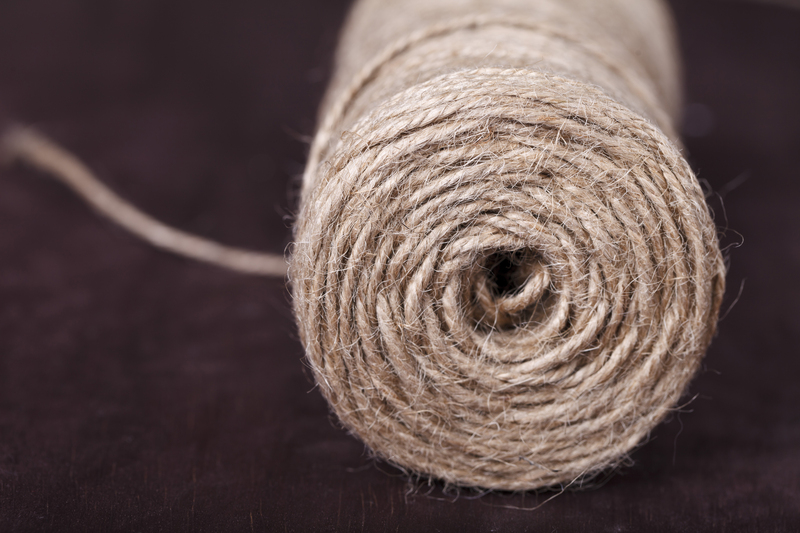
One of the most effective and eco-friendly methods for garden weed control is mulching. Mulch acts as a physical barrier, preventing sunlight from reaching weed seeds, thus suppressing their germination and growth. This method also offers several bonus benefits to your garden's overall health.
How Mulch Prevents Weed Growth
- Blocks sunlight, disrupting the weed lifecycle.
- Cools soil temperatures, discouraging warm-weather weeds.
- Creates a hostile environment for airborne weed seeds to establish.
Types of Mulch for Optimum Weed Control
Not all mulch is created equal. Choose from a variety of organic and inorganic mulch materials to best suit your garden weed management needs:
- Organic Mulches: Bark chips, straw, grass clippings, shredded leaves, compost. These enrich the soil as they break down and improve soil structure.
- Inorganic Mulches: Black plastic, landscape fabric, gravel, rubber mulch. These last longer and are ideal for long-term weed suppression but may not improve soil fertility.
Mulching Best Practices
- Apply a 2-4-inch layer of mulch around plants and between rows.
- Keep mulch 1-2 inches away from plant stems to prevent rot and disease.
- Refresh organic mulch each season, as it breaks down over time.
- Use weed barrier fabric beneath mulch for extra protection in persistent weed-prone areas.
Bonus Tip: Living Mulch
Consider living mulch by planting low-growing ground covers like clover or creeping thyme. These plants act as a natural carpet, outcompeting weeds for space and light while adding beauty and beneficial pollinator habitat.
2. Manual and Mechanical Weed Removal
For many gardeners, hand pulling and mechanical weeding are the time-tested backbones of effective garden weed control. While labor-intensive, these approaches offer exceptional precision, especially in delicate beds or around young seedlings.
Hand Weeding: Targeted and Chemical-Free
- Pull weeds early when the soil is moist and roots are easier to remove.
- Grasp weeds close to the soil and pull gently to extract entire root systems, especially for taprooted invaders like dandelions.
- Use hand tools--such as weeding forks or dandelion diggers--for deeply rooted or stubborn species.
- Prevent seed spreading by pulling weeds before they flower or set seed.
Mechanical Weed Control Methods
Mechanized tools are a boon for larger plots and vegetable rows. Some of the most popular mechanical weed control tools include:
- Garden Hoes: Scuffle or stirrup hoes quickly slice weeds just below the soil surface.
- Cultivators: Handheld or powered cultivators break up the soil and uproot weeds, ideal for open rows.
- String Trimmers: Useful for edging garden beds and controlling weeds in tough-to-reach places.
Always exercise caution--avoid damaging your desired plants, and work the soil only when it's not waterlogged to preserve soil health and structure.
Key Advantages of Physical Weed Removal
- Immediate results: Weeds are removed right away--no waiting for products to work.
- Minimal environmental impact: Safe for pollinators, pets, and people.
- Improved garden observation: Regular weeding allows you to spot early signs of pest or disease issues.
3. Organic and Non-Toxic Weed Suppression Techniques
For the eco-conscious gardener or anyone wanting to avoid chemical herbicides, plenty of organic weed management methods are both effective and safe. By integrating these approaches, you promote a healthy soil ecosystem and support beneficial insects, pollinators, and wildlife.
Cultivating Dense Plantings
Plant your garden beds densely to shade the soil and limit opportunities for weeds to gain a foothold. Try pairing tall, bushy plants with ground covers or using the "square foot gardening" method to reduce open areas where weed seeds can germinate.
Soil Solarization: Harnessing the Sun's Power
- Prepare soil in late spring or summer by removing existing growth and moistening the soil.
- Cover the bed with clear plastic sheeting (not black)--stretch it tightly and anchor the edges.
- Leave for 4-6 weeks. The sun's heat will "cook" weed seeds and soil-borne diseases, creating a clean slate for planting.
Solarization is especially useful in vegetable gardens or annual beds between growing seasons.
Homemade and Natural Weed Killers
- Boiling Water: Pour directly onto weeds in cracks or between pavers for instant effect.
- Vinegar-Based Sprays: Household vinegar (5-10% acetic acid) can desiccate the foliage of young weeds, but take care not to spray desired plants.
- Corn Gluten Meal: A natural pre-emergent that inhibits seed germination--best for lawns and non-planted garden areas.
- Flame Weeders: Utilizes a controlled flame to scorch weeds, effective for walkways and driveways. Exercise caution to prevent accidental fire.
Advantages of Organic Weed Control
- Supports soil health and beneficial organisms.
- Reduces your chemical footprint for a more sustainable garden.
- Safe for children, pets, and wildlife.
How to Combine Weed Control Techniques for Maximum Success
No single weed control strategy is foolproof. The most vigorous, weed-free gardens use a combination of mulching, manual removal, and organic suppression techniques tailored to your gardening style and weed species present.
- Layering mulch on top of weed barrier fabric harnesses the strengths of both methods.
- Follow up hand-weeding sessions with dense planting or ground cover to prevent reinfestation.
- Schedule solarization before planting new annual crops, then mulch and plant densely for season-long control.
- Rotate organic methods as needed to stay ahead of particularly stubborn or invasive weeds.
Regular monitoring and early intervention are the cornerstones of successful weed control. Make a habit of strolling through your garden, spotting unwanted intruders, and addressing them quickly before they become unmanageable.
Additional Tips for Limitless Garden Vigor
- Keep borders tidy: Mow or trim borders regularly to prevent weeds from creeping in from adjacent lawns or wild spaces.
- Use weed-free compost and mulch: Always source materials from reliable suppliers and ensure compost is properly processed to kill weed seeds.
- Maintain healthy soil: Fertile, well-amended soil encourages strong, resilient plants that can outcompete most weeds on their own.
- Rotate crops and beds: Changing plant types each year discourages weeds specialized for certain crops from establishing dominance.
Common Questions About Weed Control Techniques
How often should I apply mulch for weed control?
Most organic mulches should be refreshed once per year, though heavy rain or decomposition may necessitate topping up more frequently. Inspect your mulch layer regularly for thinning or weed breakthrough.
What is the best time to pull weeds manually?
Weed after a recent rain or water your beds beforehand--the moist soil makes removing entire root systems easier and more effective.
Are homemade vinegar weed killers safe for all areas?
Vinegar is non-selective. It will damage any plant it touches, so use it only on weeds growing in hard surfaces or with great care in garden beds.
Can I use landscape fabric instead of mulch?
Landscape fabric is best used as a base layer topped with mulch for maximum efficacy. Alone, it can degrade over time and may allow persistent weeds to break through.
Conclusion: Cultivate a Vigorous, Weed-Free Garden Today
A weed-free garden is a thriving garden. By mastering techniques like mulching, manual and mechanical removal, and organic suppression, you'll not only banish pesky weeds but also unlock lush, healthy growth for all your favorite plants. Pair these strategies with good garden hygiene and regular attention, and your outdoor space will reward you with beauty and bounty for seasons to come.
Ready to unleash your garden's vigor? Start implementing these three weed control techniques today and enjoy the lasting benefits of a landscape that truly flourishes!