020 3744 3778
Combat Severe Weather: Empowering Your Garden Defense
Posted on 21/06/2025
Combat Severe Weather: Empowering Your Garden Defense
Gardening is a passion shared by millions worldwide, offering beauty, food, and tranquility. However, unpredictable and harsh weather events, from torrential rain to scorching heat and biting frost, threaten to undo months of devoted care in mere hours. **How can you safeguard your beloved plants and flowers against nature's fury?** This comprehensive guide delves deep into the strategies, tools, and knowledge you need to empower your garden defense and ensure garden resilience, no matter the weather.
Understanding Severe Weather Threats to Your Garden
Before fortifying your garden against the elements, it's essential to understand the most common types of severe weather that can impact gardens worldwide:
- Heavy rain and flooding: Can wash away soil and nutrients, cause root rot, and erode beds.
- High winds and storms: Break plant stems, uproot trees, and damage garden infrastructure.
- Extreme heat and drought: Stress or kill plants, increase water needs, and damage roots.
- Hail or snowfall: Bruise or break plants, snap branches, and suffocate gardens under ice.
- Sudden frosts: Cause cellular damage and kill tender species overnight.
No matter your climate, weather-proofing your garden is essential for every gardener looking to ensure the longevity and productivity of their green spaces.
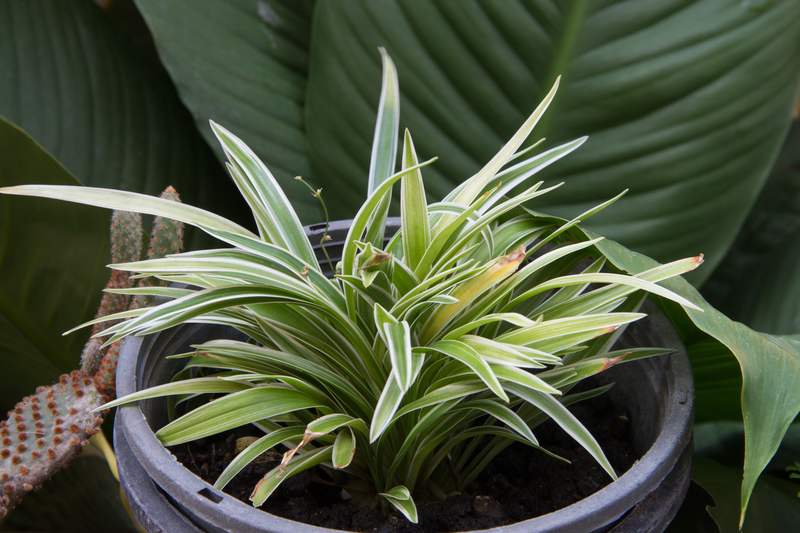
Your Garden's First Line of Defense: Proactive Preparation
1. Choose Weather-Hardy Plants
One of the most robust strategies is selecting plant varieties well-suited to your local conditions. Research native and climate-adapted species, as they often develop natural resistance to local threats. Consider drought-tolerant succulents for hot regions or wind-resistant shrubs in open areas.
- Native perennials usually require less maintenance and survive bouts of harsh weather.
- Hybrid and disease-resistant cultivars give extra peace of mind under stress.
- Mixing annuals and perennials creates biodiversity, which strengthens overall resilience.
2. Soil Preparation: The Foundation of Garden Resilience
Healthy, well-structured soil acts as an anchor during storms and a lifeline during drought. Consider these practices to combat severe weather impacts:
- Incorporate organic matter (compost, manure) to boost structure and drainage.
- Cultivate raised beds to prevent root flooding and soil compaction.
- Mulch generously with straw, bark chips, or leaves to regulate temperature, retain moisture, and protect roots.
- Test and amend the soil pH to encourage robust plant health against environmental stressors.
Empowering Your Garden Defense: Practical Weather-Combat Strategies
Ideas to Protect Against Rain, Floods, and Erosion
When intense rain or potential flooding looms, keep your garden safe with these tactics:
- Install proper drainage systems, such as French drains or gravel trenches, to channel excess water away from plant roots.
- Build rain gardens in low-lying areas to absorb stormwater runoff and provide a habitat for wet-loving plants.
- Terrace steep plots to reduce soil erosion and water runoff velocity.
- Regularly monitor and maintain gutters and downspouts to avoid flooding event overflow.
Shielding Against Wind and Storm Damage
High winds can wreak havoc on gardens. Here's how to fortify your garden against wind:
- Plant windbreaks--rows of dense shrubs, evergreen trees, or even sturdy trellises--to reduce wind speed and shield delicate plants.
- Stake or cage susceptible plants, such as tall annuals or top-heavy perennials, to provide stable support.
- Move potted plants to protected locations or indoors before predicted storms.
- Regularly prune trees and shrubs to remove weak or crossing branches likely to break in a storm.
Combatting Drought, Extreme Heat, and Sun Damage
Solar radiation, heatwaves, and drought pose formidable challenges. Maximize your garden defense against heat and water stress:
- Install drip irrigation systems for precise, water-efficient plant care during dry spells.
- Water early in the morning to reduce evaporation and allow plants to absorb moisture before midday heat.
- Provide shade cloths or lightweight row covers to protect young or sensitive species.
- Select and plant drought-tolerant ground covers for natural soil insulation.
Protecting Your Garden From Frosts and Snow
Freezing temperatures and snow can decimate unprotected gardens. Ensure you empower your garden against cold snaps by:
- Covering plants with frost cloths, old sheets, or blankets overnight during a freeze warning.
- Applying mulch around the base of perennial plants before the season's first frost to insulate roots.
- Watering thoroughly before a freeze: hydrated plants are less likely to suffer frost damage.
- For containers, move plants closer to house walls or indoors to benefit from residual heat.
Smart Garden Tools and Technology for Severe Weather Defense
Embrace Weather Monitoring Solutions
Today's gardeners can stay ahead of severe weather with high-tech or simple weather monitoring tools:
- Smartphone weather apps for real-time updates and customizable alerts.
- Personal weather stations to track rainfall, temperature, wind, and humidity in your microclimate.
- Soil moisture sensors to automate irrigation and strategize watering during droughts.
- Thermostatic greenhouse controls for frost protection and heat management.
Garden Structures That Empower Severe Weather Defense
Strategic use of garden infrastructure dramatically amplifies your ability to withstand severe weather challenges:
- Greenhouses and cold frames create microenvironments safe from wind, frost, and pests.
- Polytunnels enable longer growing seasons and protect from hail or heavy rain.
- Temporary structures such as pop-up canopies or plant umbrellas for sudden storms.
- Pergolas and trellises can serve as makeshift windbreaks while supporting climbing plants.
Long-Term Maintenance: Building a Sustainable, Weather-Resistant Garden
Continuous Observation and Adaptation
Successful garden weather defense is not a one-time act but an ongoing commitment. Create a seasonal calendar to:
- Review and reinforce plant supports and nettings before storm or wind season.
- Top up mulch in anticipation of heatwaves or as autumn approaches.
- Monitor plant health weekly, looking for disease, water stress, or pest outbreaks linked to severe weather events.
- Keep an emergency supply kit: tarps, stakes, sandbags, and hand tools for rapid response.
Sustainable Practices for Long-Term Resilience
Eco-friendly gardening practices not only benefit the environment, they also empower your garden to withstand increasingly severe weather:
- Composting increases soil fertility, structure, and water retention, reducing erosion and stress.
- Rainwater harvesting systems lessen dependency on municipal water and provide reserves during drought.
- Integrated Pest Management (IPM) builds resilience by managing pest outbreaks triggered by weather stress instead of relying solely on chemicals.
- Encouraging pollinators and beneficial insects--via wildflower strips or bee hotels--keeps your ecosystem healthy despite weather extremes.
Cultivating Personal Resilience and Community Support
Remember, gardens reflect not just our skill, but our adaptability and foresight. Severe weather is inevitable, but its impact can be minimized or even transformed into opportunity:
- Join local gardening circles or social media groups to share tips and warnings about local weather patterns.
- Engage in community preparedness initiatives to share resources--such as bulk mulch or shared emergency equipment.
- Participate in garden workshops that teach emergency preparedness, weather observation, and adaptive gardening skills.

The Rewards of a Weather-Ready, Empowered Garden
While combating severe weather and empowering your garden defense demands foresight and effort, the rewards are immense. Not only will your landscape better withstand the inevitable challenges, but your understanding and connection to your environment will deepen.
- Peace of mind, knowing your garden is ready for almost anything Mother Nature brings.
- A garden that's more productive, sustainable, and beautiful throughout the seasons.
- The satisfaction of taking action and thriving against adversity--hand in hand with your plants.
- Inspiration for your neighbors and community to build climate resilience together.
Conclusion: Take Action, Empower Your Garden Defense Today!
As weather patterns grow more volatile worldwide, the need to proactively protect your garden against severe weather threats is greater than ever. By harnessing native plants, smart planning, innovative tools, and community resources, you can transform vulnerability into strength and enjoy your garden for years to come.
Don't wait for the next storm, drought, or frost to surprise you--start implementing these empowering strategies now. With knowledge, vigilance, and resilience, your garden will not just survive, but thrive--no matter what the forecast brings.